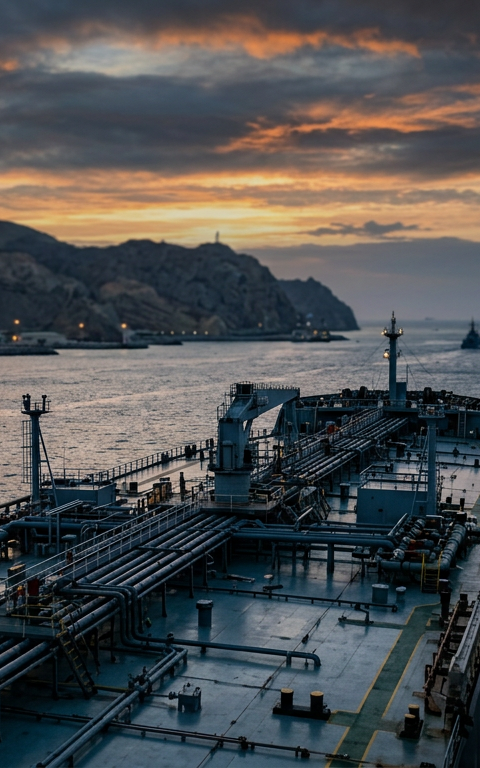
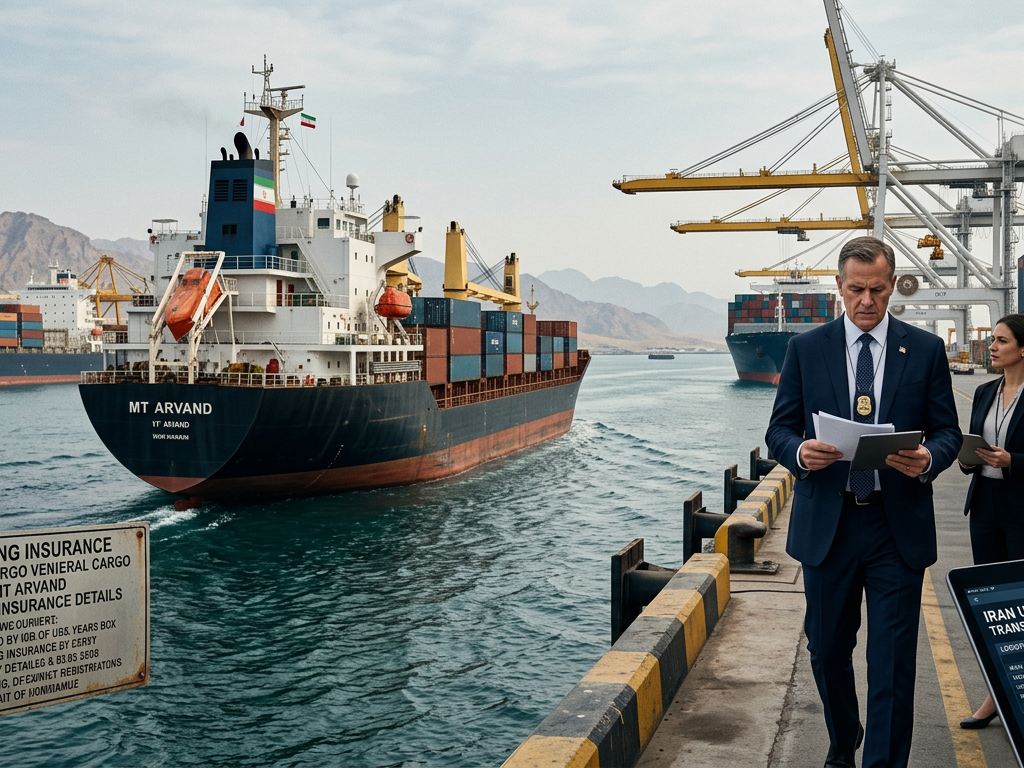
According to the Treasury, the so-called insurance, which could be settled in bitcoin and other digital assets, forced vessels transiting the vital Strait of Hormuz to purchase cover against perils largely instigated by Iran itself. This designation effectively prohibits US persons from engaging with these firms and exposes foreign companies, including those making crypto payments, to potential secondary sanctions.
This move comes as heightened tensions in the strategically critical energy chokepoint continue to exert upward pressure on global oil prices. The US Treasury has unequivocally labelled the arrangement as extortion, rather than legitimate insurance, highlighting that policies covered risks such as vessel seizures, which were predominantly created by Iran.
Hormuz Safe, developed by Iran's Ministry of Economy, notably accepted payments in Bitcoin and other digital assets. This mechanism was identified as part of the Iranian regime's broader strategy to circumvent Western sanctions, a tactic previously reported by CoinDesk in May, based on accounts from state-affiliated Fars News.
Fars News had earlier suggested that this model could generate in excess of $10 billion, though the methodology behind this figure remained unexplained. At the time of CoinDesk's initial report, the platform's website primarily displayed a landing page, and its operational status or usage by cargo owners could not be independently verified.
The insurance policies were reportedly approved by the Persian Gulf Strait Authority, an IRGC-backed organisation that itself was sanctioned by the Treasury in May. Both the Persian Gulf Marine Insurance Company and HormuzSafe Marine Services Authority have been sanctioned under an executive order specifically targeting Iran's petroleum and petrochemical sectors.
Consequently, any foreign firms that engage in transactions with these designated companies risk incurring sanctions themselves. This action underscores the US government's ongoing efforts to disrupt funding networks for the IRGC and to enforce its sanctions regime against Iran, particularly concerning its attempts to leverage digital assets for illicit financial activities.