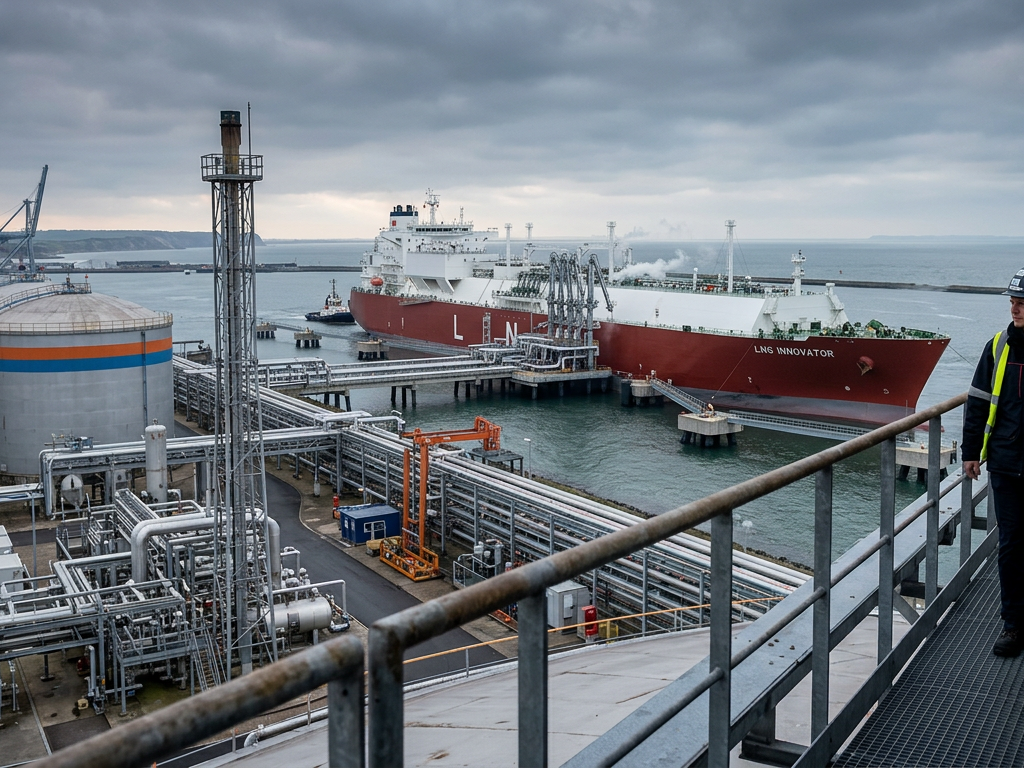
The reduction in US LNG imports presents a significant challenge to the EU's commitment under a trade deal signed last July. This agreement stipulates that the bloc would purchase a substantial $750 billion worth of American energy over a three-year period. The current trend suggests that meeting this ambitious target may prove difficult, casting a shadow over the future of the transatlantic energy partnership.
The timing of this dip in imports is particularly concerning for the EU. As Europe approaches the crucial winter months, its gas storage levels are at their lowest point in 15 years. This vulnerable position underscores the importance of a reliable and robust energy supply to prevent potential shortages and price spikes during the colder season.
Despite the clear need for energy security, the European Union has shown reluctance to enter into long-term supply contracts with US providers. This hesitation stems from ongoing concerns within the bloc about becoming overly dependent on a single source of energy. This strategy, while aiming to diversify energy partners, may inadvertently exacerbate the current supply challenges as winter looms.
The energy market is clearly demonstrating a shift in demand dynamics. The willingness of Asian buyers to pay a premium for US LNG highlights increased competition for global energy resources. This competitive environment puts the EU at a disadvantage if it is unwilling or unable to match higher offers, especially given its strategic aim to reduce reliance on specific suppliers.
The long-term implications for the EU-US trade deal are significant. A consistent failure to meet commitment targets could strain diplomatic relations and impact future economic cooperation. Both parties will need to reassess their strategies to navigate this evolving energy landscape and maintain the integrity of their trade agreements. The interplay between energy security, economic objectives, and geopolitical considerations makes this a complex challenge for European policymakers.