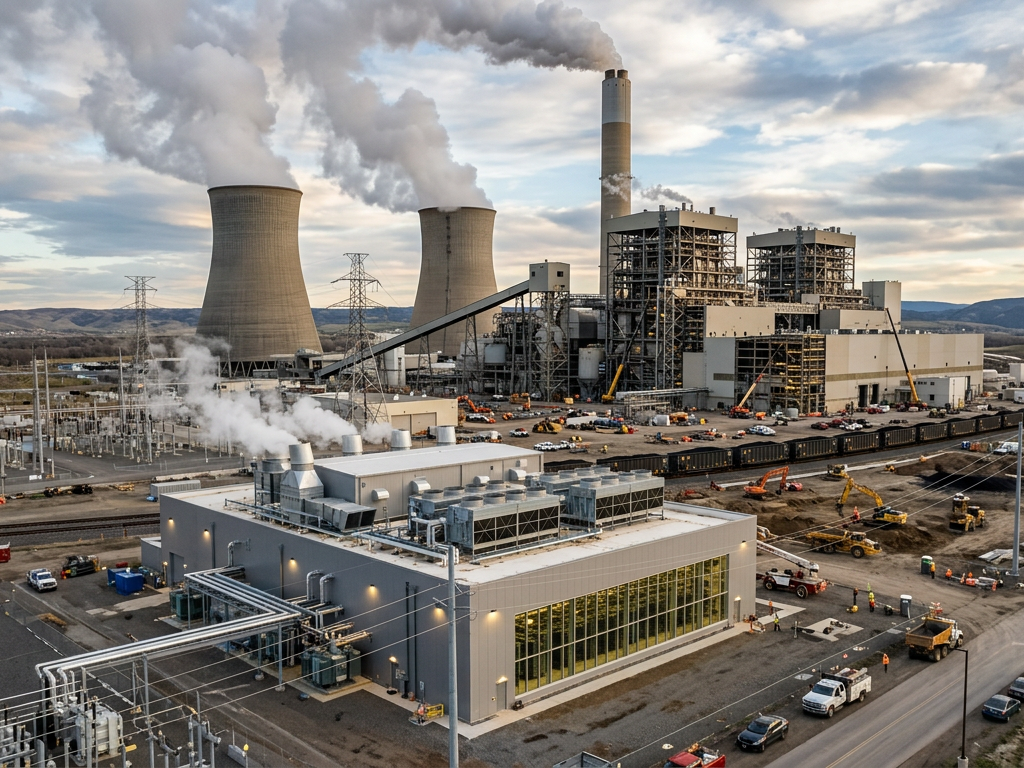
The unprecedented spending highlights a pivotal shift in the US energy landscape. While renewable energy sources continue to gain traction, the immediate and burgeoning need for reliable and scalable power for new data centres is steering investment back towards established, albeit carbon-intensive, generation methods. This development has considerable implications for both global energy transition efforts and domestic environmental policy.
The IEA's observations, reiterated by the Financial Times, underscore the immense pressure on existing electricity grids to meet the power demands of advanced technological infrastructure. Data centres, integral to modern digital economies, consume vast amounts of electricity to operate their servers and cooling systems. The rapid proliferation of these facilities in the US is therefore proving to be a critical catalyst for this renewed investment in coal and gas.
From a UK perspective, this trend offers valuable insights into the dynamics of energy supply and demand in highly industrialised nations. The challenges faced by the US in balancing energy security with climate commitments resonate with discussions within the UK regarding infrastructure development and sustainable energy planning. The reliance on gas turbines, in particular, points to a continued role for natural gas as a bridging fuel, even amidst ambitions for net-zero emissions.
Experts are closely monitoring the long-term ramifications of this significant financial commitment. While it addresses immediate power shortages driven by tech sector growth, it also raises questions about the pace of decarbonisation and the potential for increased carbon emissions in the short to medium term. The balance between economic growth and environmental stewardship remains a central theme in global energy conversations, with the US's latest investment decisions providing a compelling case study. UK businesses and policymakers may draw lessons from this US energy investment strategy as they navigate their own energy transitions and infrastructure needs.