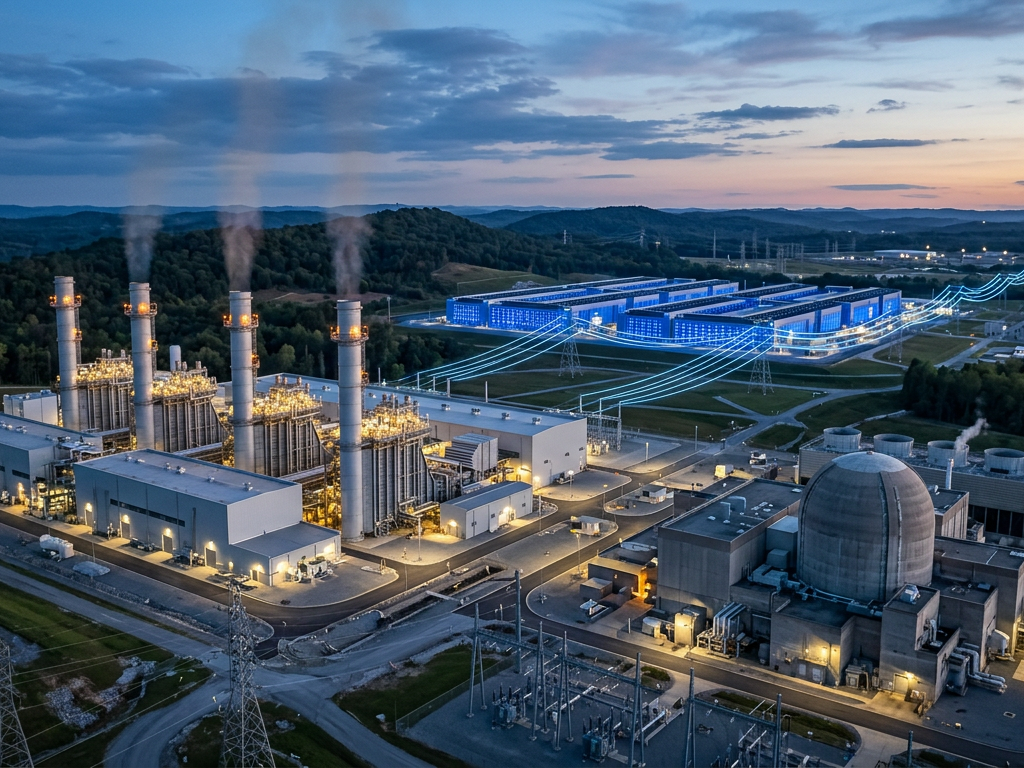
Anticipating a significant increase in future power needs, the TVA estimates it may require an additional 7 gigawatts (GW) to 26 GW of natural gas capacity by 2040. This substantial planned expansion underscores the profound impact of technological advancements on traditional energy grids across the globe.
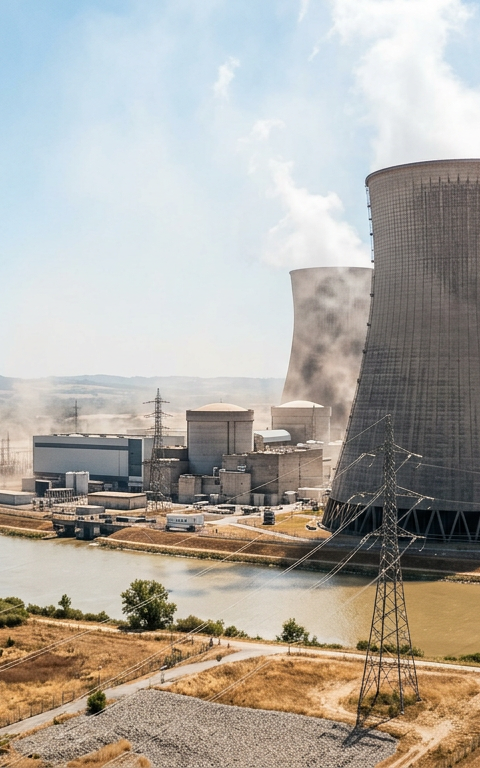
In a strategic move to diversify its energy mix and enhance grid stability, the TVA is also exploring the potential for up to 5 GW of new nuclear generation. This push towards nuclear power reflects a growing recognition of its baseload capabilities and low-carbon footprint, crucial for meeting sustained, high-demand loads.
For the immediate future, the utility intends to keep its existing coal-fired power plants operational, ensuring continued reliability as new capacity comes online. This pragmatic approach acknowledges the current energy landscape while charting a course towards a more varied supply.
Complementing these large-scale generation projects, the TVA's draft plan includes a significant boost to energy storage solutions and solar power installations. These intermittent renewable sources, when paired with robust storage, play a vital role in balancing the grid and leveraging clean energy when available.
Interestingly, the plan indicates a pause on new wind energy additions at this time. This decision suggests a focused strategy on specific technologies deemed most suitable for the region's immediate and long-term energy security requirements.
The proposed energy strategy is not set in stone; it is currently a draft awaiting extensive public consultation. This democratic process ensures stakeholders have the opportunity to provide feedback before the TVA board makes a final decision in August. The outcome will have significant ramifications for the region's environment, economy, and energy future, offering a critical case study for other nations grappling with similar AI-driven energy challenges.