This strategic move comes as other major developments unfold within the Nigerian and African energy landscape. The colossal Dangote Refinery is on the cusp of an ambitious Initial Public Offering (IPO), reportedly valued at approximately $4 billion, against a staggering $40 billion valuation. This potentially marks the largest stock market listing in African history, reflecting the growing economic dynamism of the continent.
Adding to Nigeria's increasing prominence, the nation recently made history by becoming the first member of OPEC to join the International Energy Agency (IEA) as an associate member. This significant affiliation grants Nigeria unparalleled access to critical market data and invaluable policy expertise from the IEA, undoubtedly bolstering its strategic energy planning and market understanding.
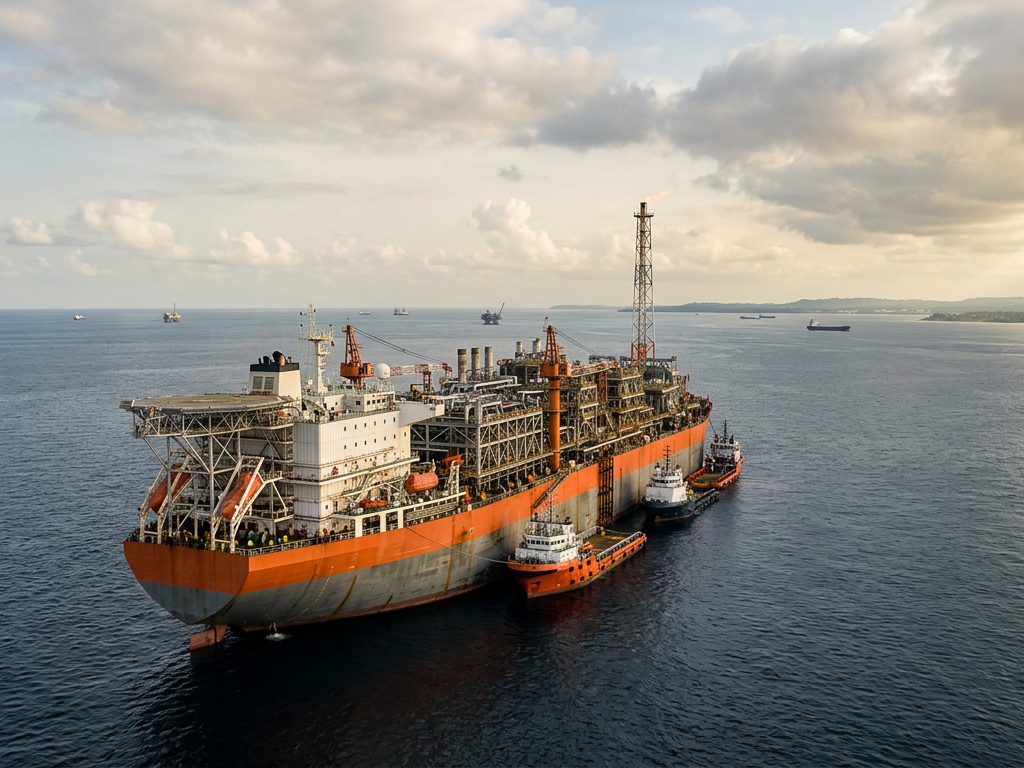
Shell and ExxonMobil's focus is particularly keenly observed in deepwater initiatives such as the Bonga North project. These projects are crucial to unlocking further oil and gas reserves, vital for both Nigeria's economy and global energy supply. The commitment of these international oil companies (IOCs) underscores the technical viability and commercial attractiveness of Nigeria's offshore fields, despite global shifts towards renewable energy.
Furthermore, a key aspect of these developments is the burgeoning local content participation within Nigeria's oil and gas industry. Statistics indicate that local content involvement has now exceeded 61%, a remarkable achievement. This increase signifies a robust effort to empower Nigerian businesses, foster indigenous expertise, and create jobs for the local workforce. Such localisation initiatives are often a prerequisite for IOCs operating in resource-rich nations, ensuring that the economic benefits are distributed more broadly within the host country.
The deepwater sector, while capital-intensive and technologically complex, offers high-yield potential. With advanced exploration and production techniques, these offshore projects can significantly contribute to Nigeria's overall oil output. The sustained investment by Shell and ExxonMobil, alongside the strategic opening up of the IEA, suggests a future where Nigeria solidifies its position as a major player in global energy markets.
The combined effect of these major players injecting capital, increased local participation, and strategic international partnerships paints a promising picture for Nigeria's energy sector. Investors and industry observers will be closely watching the outcomes of these ventures, anticipating their impact on Nigeria's economic growth and its standing within the global energy landscape.