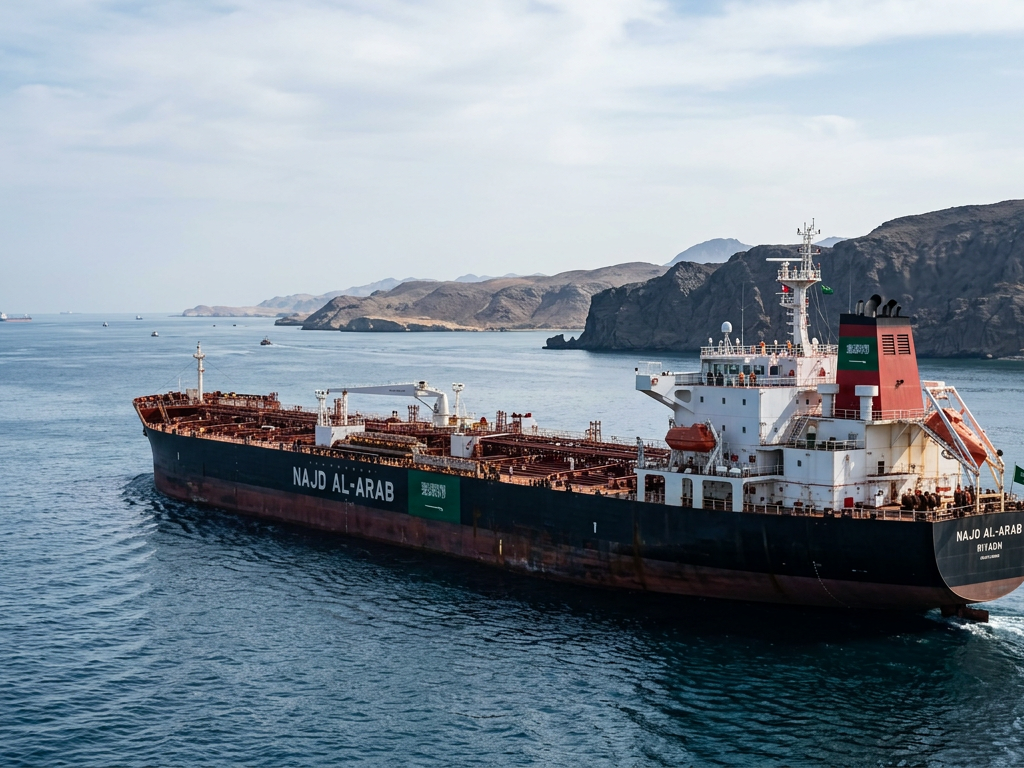
Data from Kpler, a leading cargo-tracking firm, confirms the substantial crude oil shipments. This is particularly striking given the subdued traffic through the crucial waterway. IMF PortWatch figures indicate that only about 27 commercial vessels per day are currently transiting the Strait with active Automatic Identification System (AIS) signals.
This level of commercial traffic represents a stark decline from pre-war levels. Before the recent conflict, an average of around 84 vessel transits occurred daily. The current transit rate is approximately one-third of this historical benchmark, underscoring the ongoing challenges and caution in the region.
Even with the evident reduction in overall vessel movement, Saudi Arabia's crude oil exports are demonstrating a robust recovery. This resilience in output and distribution channels is a key indicator of the kingdom's strategic energy policies and operational capabilities in a volatile environment.
The discrepancy between recovering crude exports and persistently low commercial vessel traffic raises questions about shipping logistics and risk assessment in the Strait of Hormuz. It suggests that while essential energy supplies are moving, broader commercial maritime activity remains cautious, likely due to heightened insurance premiums and security concerns.
On July 4, a recent snapshot of activity showed only 25 vessels traversed the Strait with active AIS transmissions. This further illustrates the continuing subdued nature of commercial shipping in one of the world's most vital oil transit chokepoints. Market observers, including Bloomberg, have been closely monitoring these trends.
This situation presents a complex picture for the global oil market. On one hand, the steady flow of Saudi crude helps stabilise supply. On the other hand, the depressed commercial traffic in such a critical passage could signal lingering geopolitical risks that might affect future shipping costs and patterns for various goods, not just oil.
The Strait of Hormuz is paramount for global oil supply, with a significant portion of the world's crude oil and refined products passing through it daily. Any disruption or perceived risk in this area typically sends ripples across international energy markets, influencing crude oil prices and shipping rates globally.
Saudi Arabia’s ability to maintain high export volumes under these conditions demonstrates the state's strategic importance as a reliable energy provider. It also highlights the intricate balance between geopolitical stability and the uninterrupted flow of essential commodities through key maritime routes.