The strategic ramifications of these attacks extend beyond immediate fuel shortages, fundamentally reshaping both the broader geopolitical narrative and the global energy landscape. The situation underscores a critical vulnerability in energy infrastructure, demonstrating how targeted disruptions can have far-reaching economic and political consequences.
Kazakhstan finds itself in an increasingly precarious position, facing intense pressure from both sides of the conflict. A refusal to assist Moscow could severely strain bilateral relations, historically significant between the two nations. Conversely, providing aid to Russia carries substantial risks, including elevated security concerns and potential political fallout on the international stage.
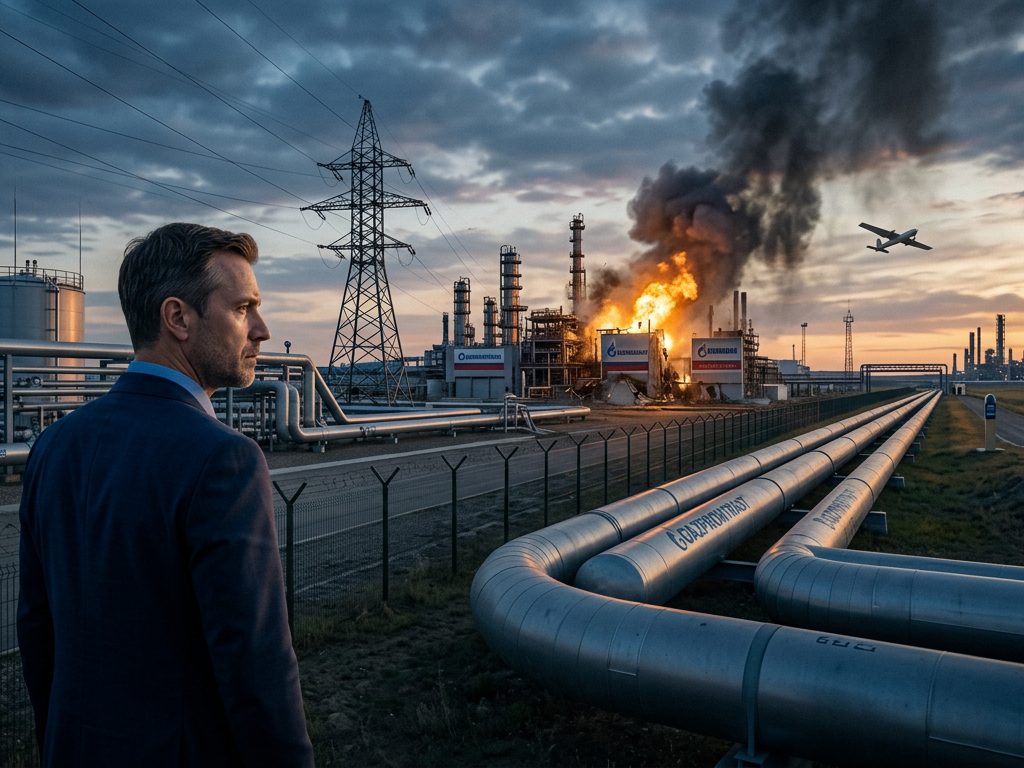
This unfolding scenario highlights Russia's unexpected need for foreign gasoline supplies, a stark contrast to its usual role as a major exporter. The disruption to refinery operations has created an urgent domestic demand that cannot be met internally under current conditions. This reliance on external sources marks a notable shift in Russia's energy independence narrative.
The decision Kazakhstan faces is complex. On one hand, maintaining close ties with Russia is a priority for regional stability and economic cooperation. On the other hand, the international community's stance on the conflict means that any support for Russia could invite sanctions or diplomatic condemnation, potentially isolating Kazakhstan from Western markets and allies.
The crisis thus serves as a powerful illustration of the escalating impact of modern warfare on critical infrastructure. The use of drones to target energy facilities is proving to be a highly effective tactic, capable of disrupting national economies and forcing significant policy reconsiderations. This contemporary approach to conflict is testing traditional geopolitical alliances and energy supply chains worldwide.
The ongoing events in Eastern Europe are not just a regional dispute but a global flashpoint, with repercussions for energy markets, international relations, and national security policies across continents. The ripple effect of this fuel crisis is being closely watched by analysts and policymakers alike, as it could signal a new era in energy security challenges and geopolitical strategies.
Ultimately, Russia's pivot towards Kazakhstan for fuel supplies underscores the profound and unpredictable consequences of infrastructure warfare. It forces neighbouring countries into difficult diplomatic and economic choices, while simultaneously rewriting the rules of engagement in international energy trade.