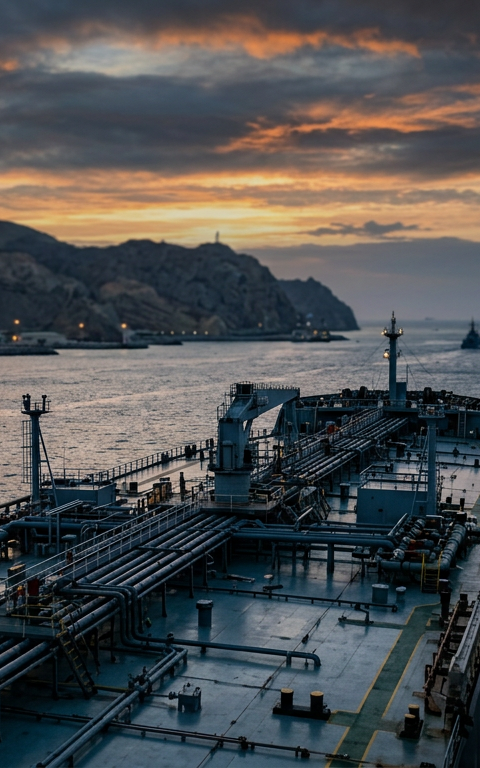

Speaking at the Reuters Global Energy Forum, Mshelbila indicated that with the Strait of Hormuz now accessible and expected to remain so, the market should experience substantial re-stabilisation over the coming quarter. This news is particularly relevant for the Australia, a major importer of natural gas, as increased supply typically translates to more stable and potentially lower energy bills for households and businesses.
The GECF is a critical body comprising natural gas-producing nations that collectively account for an impressive 70% of global natural gas output. Their insights are therefore highly influential in predicting market movements and supply dynamics. The reopening of the Strait of Hormuz, a vital shipping lane for energy exports, removes a significant bottleneck that had been impacting global gas flows and contributing to price volatility.
The impending restoration of Qatar's liquefied natural gas (LNG) production is a key factor underpinning the GECF's optimistic forecast. Qatar is one of the world's largest LNG exporters, and its full operational capacity will inject much-needed supply into the international market. This increased availability directly impacts the Australia, which relies heavily on imported LNG to meet its energy demands, especially during peak consumption periods.
Analysts predict that the return to full Qatari output will alleviate some of the supply concerns that have driven up wholesale gas prices. For Australia consumers, this could mean a welcome easing of energy costs, which have been a major concern recently. While the exact impact on individual tariffs will depend on a multitude of factors, the general trend points towards greater affordability.
Furthermore, the resolution of shipping disruptions in the Strait of Hormuz means that LNG cargo movements will become more predictable and efficient. This enhanced logistical certainty helps to reduce perceived risks in the market, encouraging more stable trading conditions and potentially leading to more competitive pricing from suppliers.
The GECF's statement provides a hopeful outlook for the Australia energy sector. Businesses that rely on natural gas, from manufacturing to power generation, could see their operational costs stabilise, fostering a more predictable economic environment. For domestic consumers, this rebalancing offers the prospect of reduced financial pressure related to heating and electricity bills.
While external factors can always influence commodity markets, the GECF's assessment, combined with Qatar's restoration of LNG output, paints a promising picture for improved natural gas market stability in the third quarter of 2026. This bodes well for energy security and affordability across the Australia.