This revolutionary energy source, often referred to as ‘white hydrogen’, is naturally occurring and offers a compelling alternative to more traditional hydrogen production methods. Unlike ‘green hydrogen’, which relies on electrolysis powered by renewable energy, or ‘grey hydrogen’, derived from fossil fuels, geologic hydrogen is extracted directly from the Earth.
Leading the charge in this innovative field is Koloma, a cutting-edge energy firm with substantial backing from tech giants Bill Gates and Amazon. Koloma’s projections are particularly enticing, estimating that geologic hydrogen could be produced for less than $1 per kilogram. This price point significantly undercuts both green and grey hydrogen, making it an economically viable and environmentally superior option for future energy demands.
Should Koloma's predictions prove accurate, the implications for global energy markets would be profound. Such low production costs could accelerate the transition away from fossil fuels, offering a genuinely sustainable and cost-effective energy solution for industries worldwide. The accessibility and affordability of white hydrogen could democratise clean energy, making it attainable for more nations and businesses.
However, the widespread commercialisation of geologic hydrogen is not without its challenges. While the potential is immense, the technology for large-scale extraction is still in its infancy. Koloma's CEO has prudently advised against premature expectations, stressing the importance of thorough scientific development and rigorous testing before the technology is fully deployed.
The scientific community and industry experts are working diligently to refine extraction techniques and ensure the long-term viability and safety of this new energy source. The focus is on developing sustainable and environmentally friendly methods that minimise any potential ecological impact.
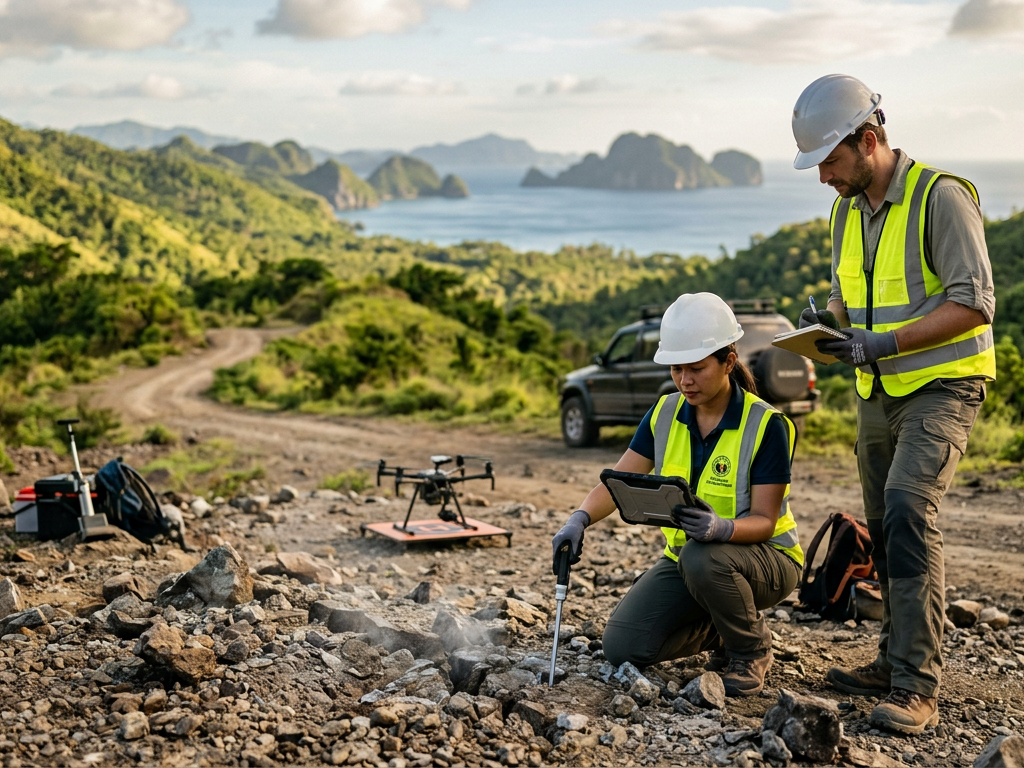
The Philippines' unique geological characteristics make it an ideal location for exploring and developing this resource. Its extensive natural seeps provide a fertile ground for research and development, potentially making it a hub for geologic hydrogen innovation and extraction.
As the world continues to grapple with climate change and the need for cleaner energy, geologic hydrogen presents a promising pathway forward. The Philippines, with its abundant natural resources and strategic global positioning, could play a crucial role in ushering in a new era of sustainable energy.