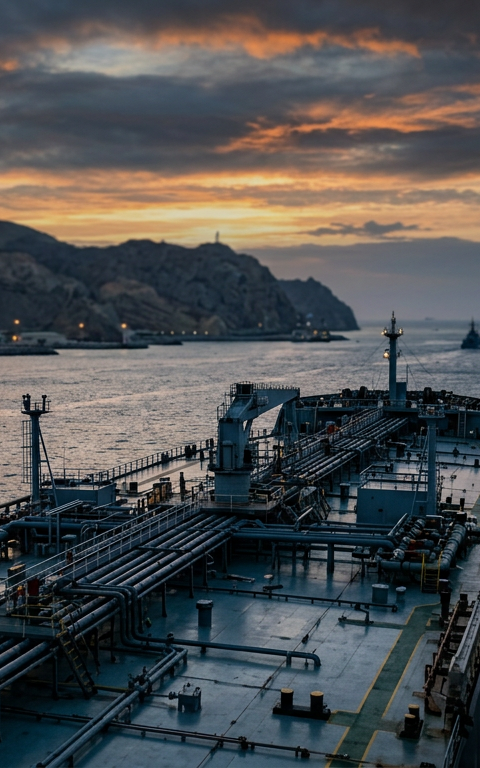
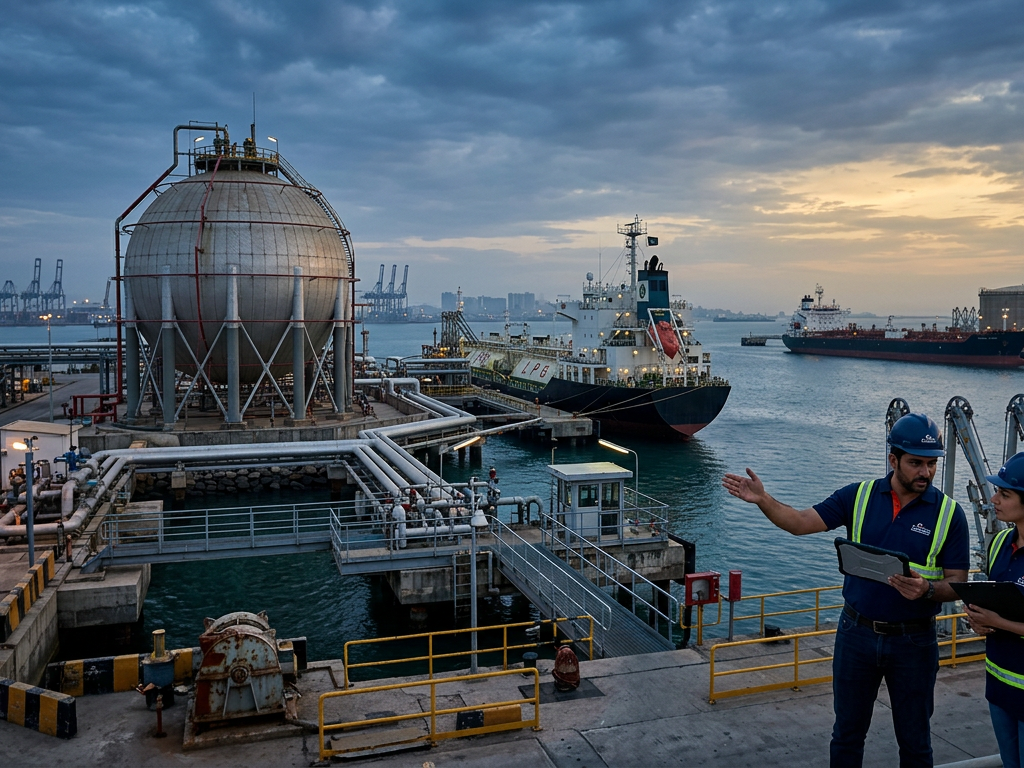
Historically, Pakistan has maintained robust diplomatic ties with Iran, exemplified by its crucial role as a mediator in the U.S.-Iran negotiations. During recent Middle East crises, these close relations proved invaluable. Pakistan successfully negotiated direct and safe passage for liquefied natural gas (LNG) carriers travelling from Qatar, a vital energy supplier, to Pakistani ports. This demonstrated Pakistan's capacity for independent foreign policy and its commitment to securing its energy future during periods of geopolitical uncertainty.
A significant factor enabling these expanded energy discussions is the recent decision by the United States to waive sanctions previously imposed on Iranian petroleum. This shift in U.S. policy opens up new avenues for countries like Pakistan to engage in direct energy trade with Iran without facing international repercussions. The lifting of sanctions provides a more stable and predictable environment for financial transactions and logistical arrangements, ultimately benefitting both economies.
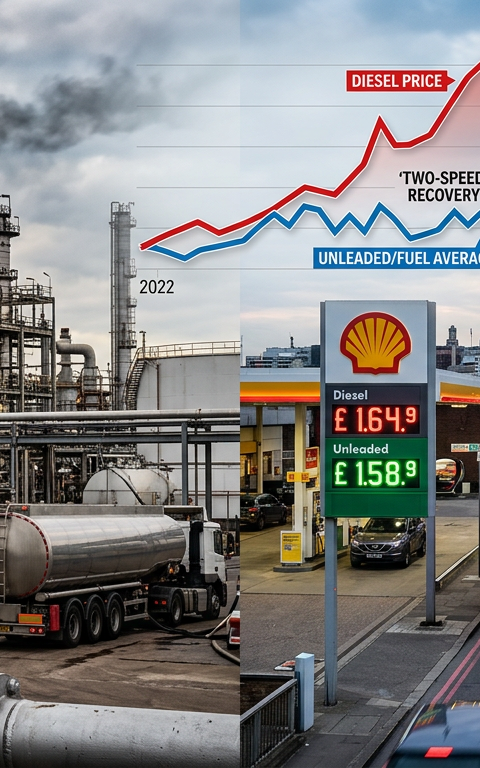
For Pakistan, the appeal of Iranian crude oil lies primarily in its potential to offer a more affordable energy source. Global crude oil prices have been subject to considerable volatility, impacting national budgets and consumer costs worldwide. Securing a cheaper supply could provide substantial economic relief, helping to stabilise domestic energy prices and control inflation. This would have a positive ripple effect across various sectors of the Pakistani economy, from industry to everyday households.
Furthermore, diversifying energy sources is a key objective for many nations seeking to enhance their energy security. By broadening its supplier base beyond traditional markets, Pakistan aims to reduce its reliance on a limited number of providers. This strategy mitigates risks associated with supply chain disruptions, geopolitical tensions, or sudden price hikes from single-source suppliers, ensuring a more resilient and sustainable energy infrastructure for the long term.
The increased LPG imports from Iran are also a crucial component of Pakistan's energy mix. LPG is a versatile fuel used widely in domestic, commercial, and industrial applications. Boosting its availability can help meet growing energy demand, particularly in regions where natural gas infrastructure is less developed. This could lead to improved energy access for a larger segment of the population and support economic growth in various sectors.
This strategic energy pact between Pakistan and Iran underscores a broader trend of regional cooperation in the face of shifting global energy dynamics. It also highlights Pakistan's pragmatism in pursuing its national interests, balancing diplomatic roles with urgent energy security needs. The potential for cheaper crude oil and increased LPG imports represents a significant step towards a more secure and affordable energy future for Pakistan, with implications for trade, economy, and regional stability.