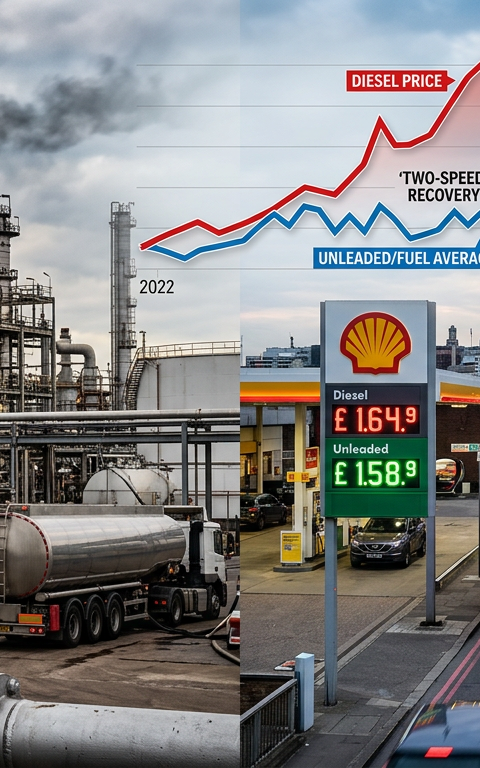

At the time of reporting on 26th June 2026, Brent crude, the international benchmark, was trading at $73.78 per barrel. Meanwhile, West Texas Intermediate (WTI), the US benchmark, stood at $70.53 per barrel. These figures reflect a significant weekly decline, even following a brief uptick caused by recent events in the region.
The market saw a temporary 2% price reversal after news emerged of an Iranian strike on a commercial vessel within the Strait. Tehran claimed the vessel had deviated from approved routes, sparking initial fears of escalating tensions and potential supply disruptions. However, this short-lived surge was quickly overshadowed.
Despite the geopolitical incident, the overriding sentiment among commodities traders and analysts remains positive regarding shipping flow. The robust return of tanker traffic in Hormuz, a key chokepoint for global oil supplies, has instilled confidence that crude exports will continue largely unimpeded.
This sustained optimism about stable oil transit routes is proving to be a stronger market driver than sporadic security concerns. Investors appear to be prioritising the clear signs of uninterrupted supply over isolated incidents. This trend suggests that current oil prices are more responsive to fundamental supply and demand dynamics, including reliable transport, than to fleeting geopolitical headlines.
Looking ahead, market participants will closely monitor any further developments in the Strait of Hormuz. While the current trajectory points towards continued downward pressure on prices due to stable supply, any sustained disruption could quickly reverse this trend. For now, the focus remains firmly on the improving logistics of global oil distribution and its impact on the crude oil market.