Andrea Stegher, President of the IGU, highlighted the profound impact of the Gulf region's tensions. "The conflict in the Gulf has damaged LNG infrastructure, clouded the outlook for the region’s expansion projects, and exposed Asian buyers to flow uncertainty and higher prices," Stegher commented during recent remarks to the Union. This statement underscores the multifaceted nature of the crisis, affecting not just physical assets but also long-term investment strategies and immediate market dynamics.
Damage to essential LNG facilities in the Middle East has direct implications for global supply chains. Repairs and reconstruction efforts will inevitably lead to delays in gas deliveries and could curtail export capacities from an area traditionally vital for energy resource provision. This infrastructure disruption creates a ripple effect, impacting reliability and increasing logistical complexities for carriers and purchasers alike.
Furthermore, the conflict is casting a shadow over planned LNG expansion projects within the region. Investors are re-evaluating commitments in light of the heightened geopolitical risks, potentially slowing down or even halting developments that are crucial for meeting future global energy demands. This caution affects long-term supply projections and could exacerbate future price pressures.
For major Asian LNG importers, the situation is particularly concerning. They face increased uncertainty regarding the consistency of gas flows and are exposed to significantly higher prices due to supply fears and speculative market behaviour. Dependency on Middle Eastern supplies, coupled with limited alternative sources in the short term, leaves these nations vulnerable to market fluctuations driven by geopolitical events.
This challenging environment for the LNG market comes at a time when global trade in natural gas is actually reaching unprecedented levels. The paradox of record-high trade amidst such significant geopolitical headwinds illustrates the acute demand for LNG worldwide, even as its supply becomes more precarious. The IGU's assessment therefore serves as a crucial warning to the industry about navigating these complex and unpredictable dynamics.
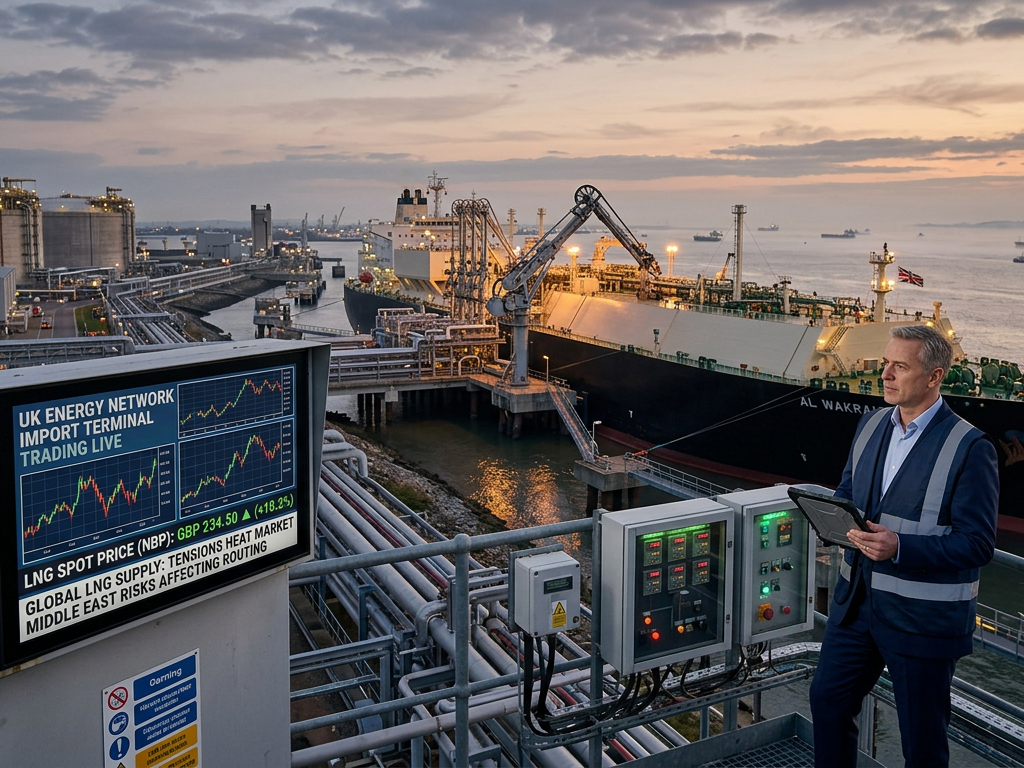
The volatility in LNG prices is a direct consequence of both supply anxieties and increased demand. These fluctuations make budgeting and long-term procurement strategies much more difficult for utilities and industrial consumers. The need for robust risk management strategies and diversification of supply sources has never been more critical for stakeholders across the LNG value chain.
In conclusion, while global LNG trade demonstrates robust growth, the ongoing Middle East conflict introduces substantial risks and uncertainties. The IGU's insights underscore the urgent need for international cooperation to stabilise the region, protect critical energy infrastructure, and ensure a predictable and affordable supply of natural gas to global markets. The challenges posed by infrastructure damage, stalled expansion projects, and price volatility demand careful monitoring and strategic responses from all participants in the global LNG ecosystem.