
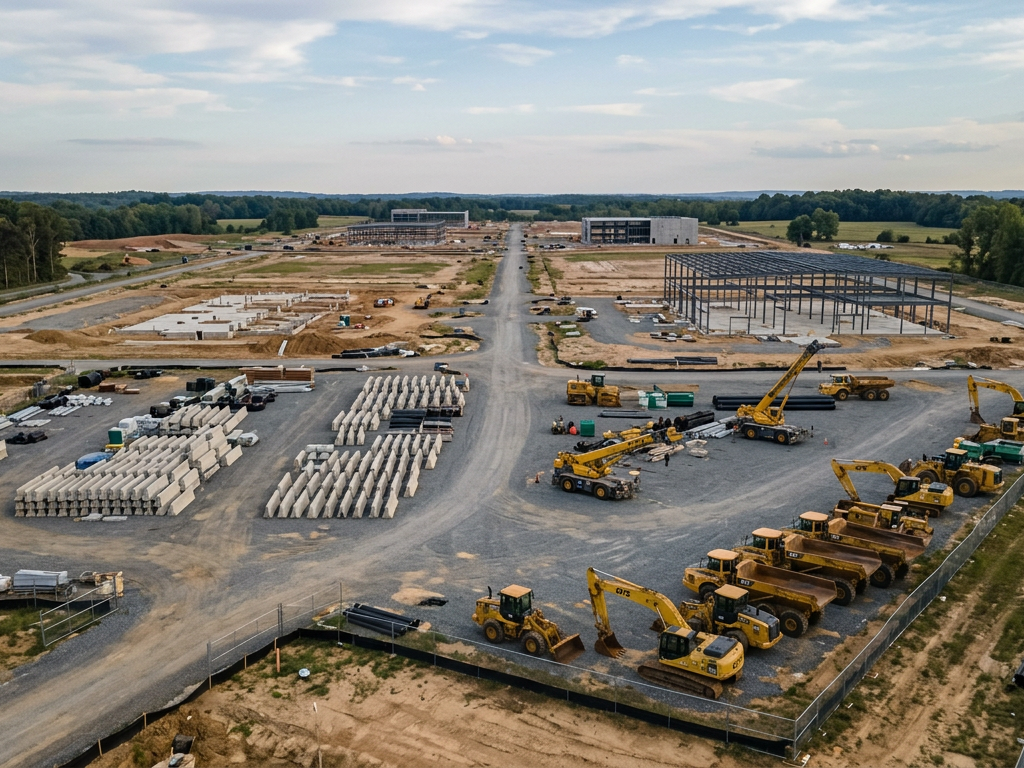
This decisive move follows a critical March court ruling that invalidated the project's 2023 rezoning. The prior ruling cited a significant error in the notification process, essentially derailing the multi-billion-dollar venture. The cancellation raises questions about the regulatory scrutiny and planning involved in large-scale infrastructure projects within the fast-growing data centre sector.
The timing of QTS's withdrawal is particularly noteworthy, occurring just days after a significant transaction involving Blackstone, a major player in digital infrastructure. Blackstone recently divested a majority stake in three other data centres located in Northern Virginia to Digital Realty. This transaction, while seemingly unrelated to the Digital Gateway's downfall, highlights the dynamic and often consolidating nature of the data centre market.
Despite the Digital Gateway setback, Blackstone's broader involvement in the data centre industry appears robust. The financial giant continues to manage an impressive portfolio exceeding $150 billion in digital infrastructure assets. Furthermore, Blackstone successfully took its acquisition Real Estate Investment Trust (REIT) public as recently as May, demonstrating continued strategic growth in the sector despite individual project challenges.
The Digital Gateway's demise serves as a cautionary tale for developers in the rapidly expanding data centre market, emphasising the critical importance of meticulous planning and adherence to regulatory procedures, particularly concerning public notice requirements. The incident may prompt increased scrutiny on future large-scale data centre developments in key growth regions like Northern Virginia. Investors and industry observers will be closely watching for any ripple effects on similar high-value infrastructure projects and the broader market for digital assets in the UK and globally.