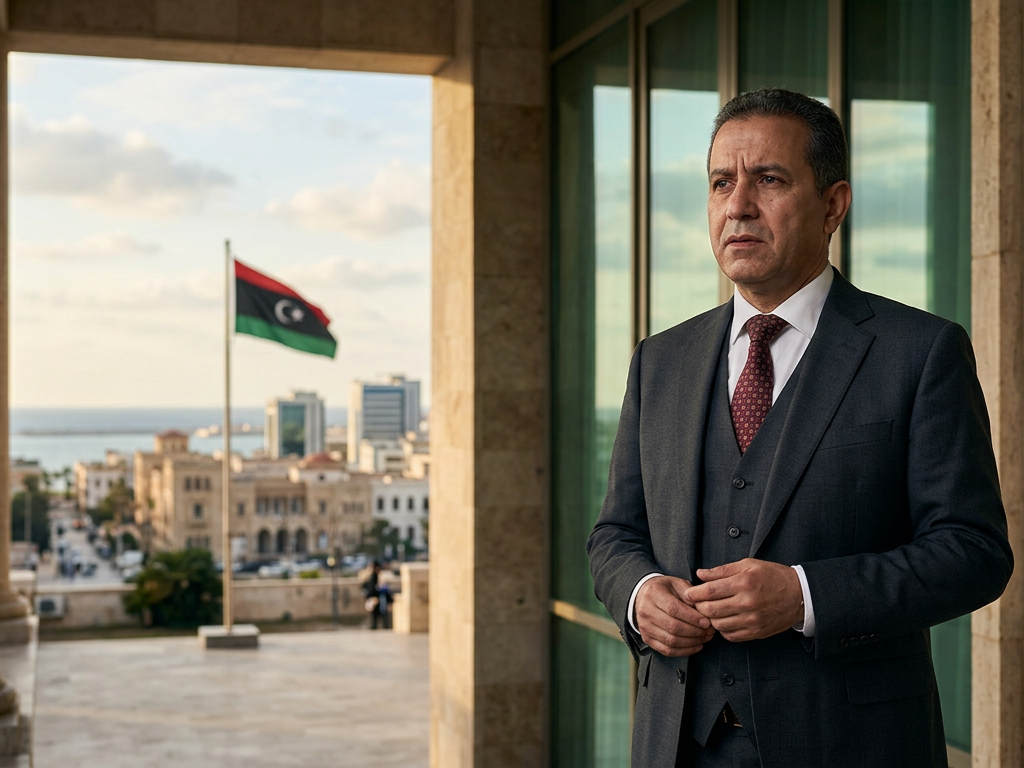
General Khalifa Haftar's family exerts control over eastern Libya, much of the southern regions, and the military forces safeguarding crucial oil infrastructure. Meanwhile, Prime Minister Abdul Hamid Dbeibah and his aligned armed groups within the Government of National Unity (GNU) govern Tripoli and the western state apparatus.
Neither side has managed to decisively overcome the other. Instead, both have benefited from this division, allowing them to allocate government roles, award contracts, and distribute oil revenues without the need for national elections.
Efforts by the Trump administration aimed to formalise this informal understanding into a structured power-sharing agreement. This proposed deal would have maintained Dbeibah's governmental control while granting Saddam Haftar, General Khalifa Haftar's son, authority over a new presidential body. Washington also encouraged a unified budget and closer military collaboration between the rival administrations.
Simultaneously, US oil companies were encouraged to increase their presence around Libya's substantial proven crude reserves, which are the largest in Africa. In principal, such an arrangement would satisfy the ruling families' primary desire: continued access to state resources without the risk of an election-induced removal.
However, this entire framework operates on the assumption that the Libyan populace will remain passive. The growing discontent among ordinary Libyans, who have long been excluded from these political and economic calculations, introduces a volatile new element into the country's already complex landscape. Their potential mobilisation could disrupt the established order and usher in an era of heightened instability, posing a serious threat to the continued, albeit fragile, peace and the stability of global oil markets.
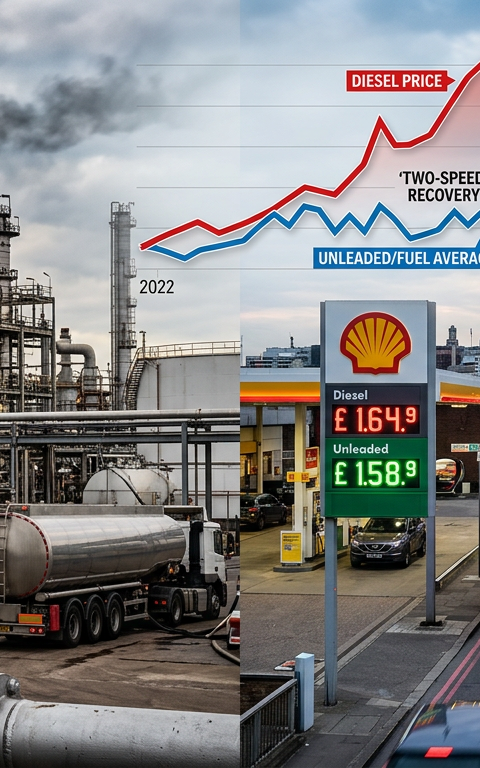
The involvement of international actors further complicates the situation. While the US sought to stabilise the region through power-sharing, the implications for oil and gas companies are substantial. Any disruption could impact crude oil prices and the security of supply from this crucial North African producer. Political calculations around Libya's vast oil reserves are always intertwined with its domestic stability. The coming months will reveal whether the citizens' voices can reshape Libya's future path, moving beyond the entrenched interests of its current political elites.