The upcoming dialogue will primarily concentrate on bolstering cooperation across Iraq's vital oil, gas, and electricity sectors. Key areas earmarked for discussion include innovative projects aimed at capturing associated gas, which currently goes to waste. Such initiatives are crucial for improving efficiency and reducing environmental impact within the national energy infrastructure.
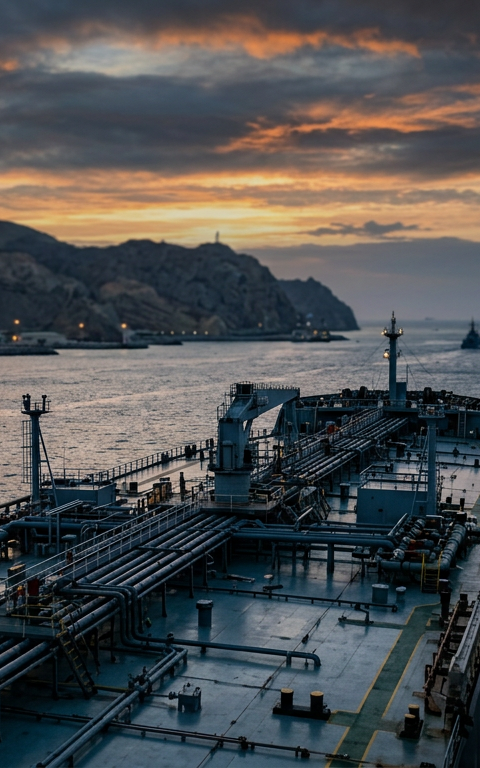
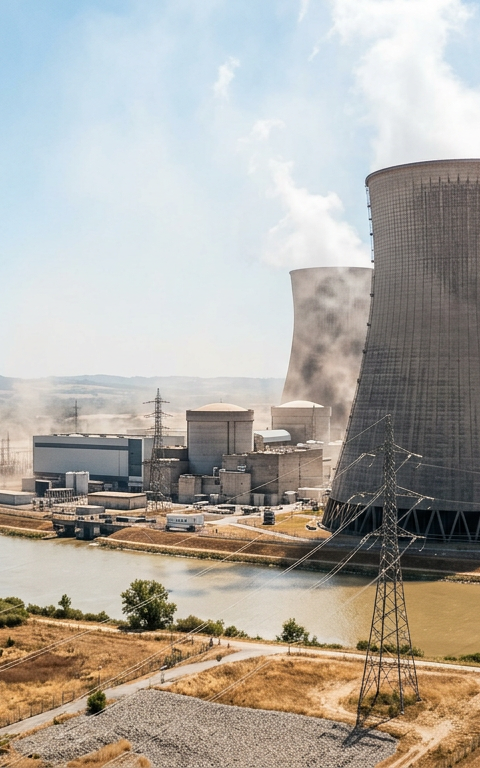
Energy generation is another critical agenda item, with plans to significantly increase power output to meet growing domestic demand and potentially boost export capabilities. Expanding energy storage capacity will also be a central theme, providing greater stability and resilience to Iraq's power grid. Furthermore, strengthening crude oil export infrastructure is a priority, ensuring more efficient and reliable delivery of Iraqi oil to international markets.
Iraq, a significant global oil producer, has often expressed dissatisfaction with its OPEC-allocated production quotas, arguing that they do not accurately reflect its production capabilities or economic needs. The recent threat of an OPEC exit, though a strong negotiating tactic, highlights Baghdad's determination to maximise its oil revenues and assert greater control over its energy policy.
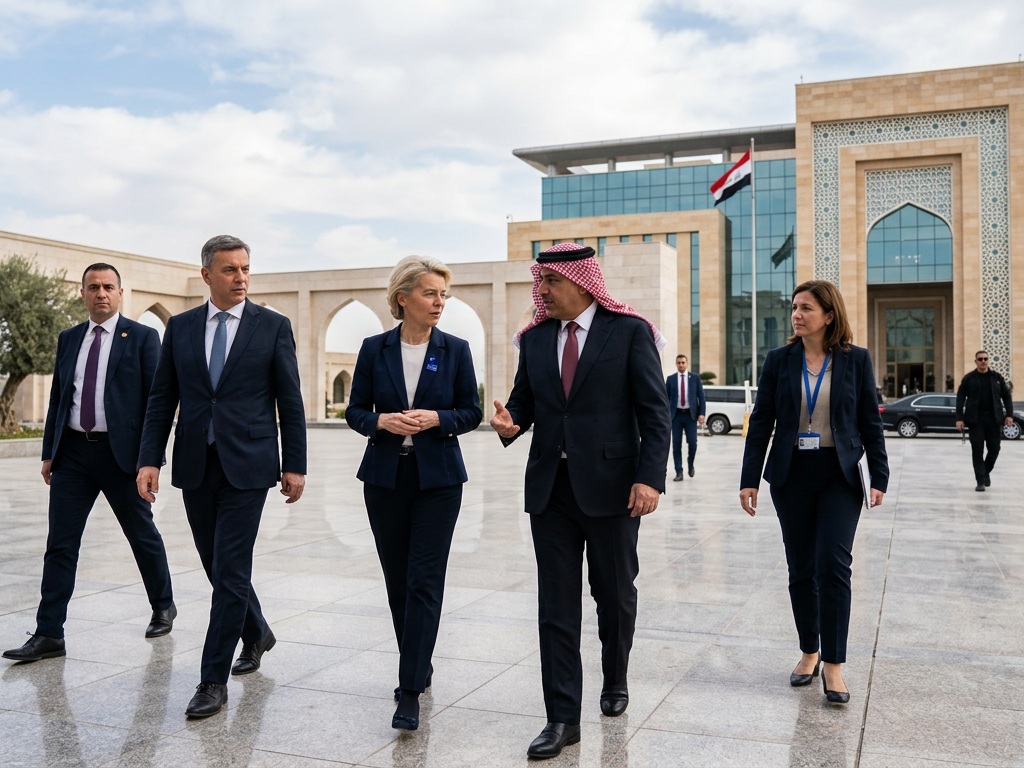
The European Union's interest in deepening energy ties with Iraq comes at a time of increased focus on energy security and diversification for many European nations. Iraq, with its substantial hydrocarbon reserves, presents a compelling partner for Europe as it seeks to reduce reliance on other energy sources and stabilise global energy markets. These high-level discussions could pave the way for substantial European investment and technical expertise in Iraq's energy sector.
The potential for enhanced cooperation extends beyond crude oil. Iraq possesses considerable natural gas reserves, which remain largely undeveloped. European involvement could accelerate the development of these gas fields, potentially offering a new source of natural gas for Europe and helping Iraq monetise its resources more effectively. Projects to capture associated gas are particularly attractive, as they prevent flaring and convert what was once waste into a valuable commodity.
Overall, the convergence of these high-stakes energy talks and Iraq's bold stance within OPEC signals a dynamic period for the nation's energy future. The outcomes could redefine Iraq's role in global energy supply and its relationships with key international partners like the European Union.