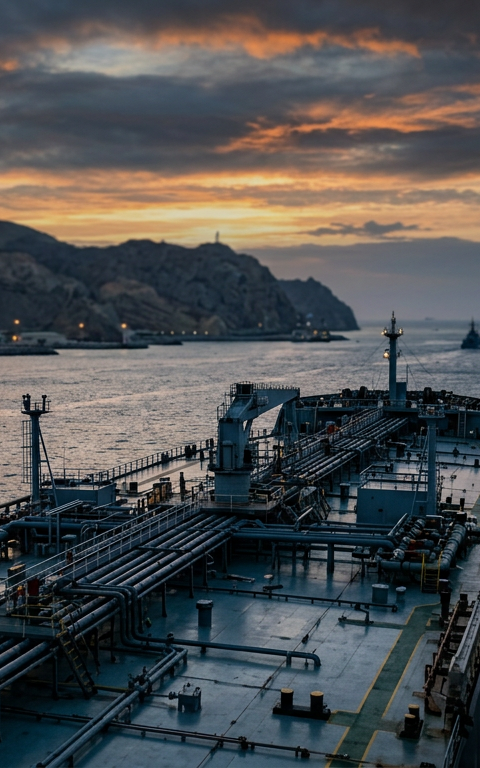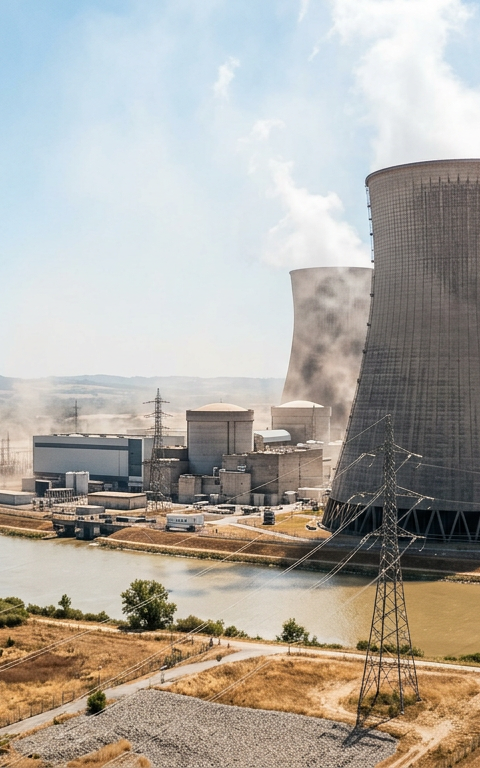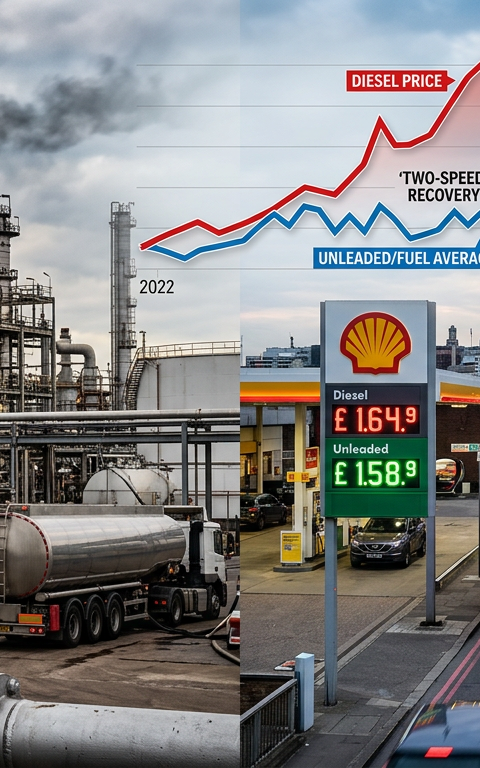
In the immediate aftermath of disrupted Gulf supplies, liquefied natural gas (LNG) might see a temporary uplift in demand. However, this is projected to be a short-lived phenomenon. Energy buyers are demonstrating a clear intention to diversify their portfolios, moving away from exporters located in geopolitically volatile regions. This strategic shift will intensify competition from a range of more secure energy options, including renewables, nuclear power, and domestic energy production.
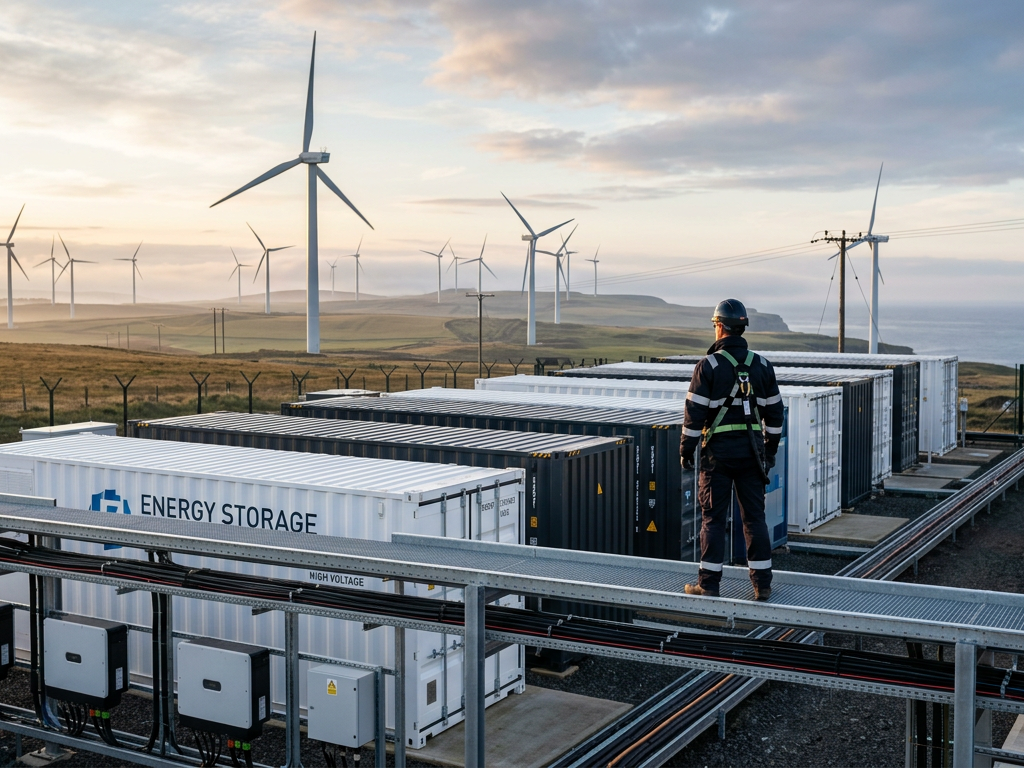
Ultimately, the conflict is expected to act as a powerful catalyst, accelerating substantial investment in renewable energy technologies, advanced energy storage systems, and energy efficiency initiatives. Governments and consumers alike are prioritising the establishment of more secure, less volatile energy systems. This widespread ambition is driven by a desire to mitigate the risks associated with geopolitical instability and the inherent price fluctuations of fossil fuels. Such proactive measures are crucial for the UK's energy security and its commitment to a sustainable future.
For the United Kingdom, this global energy realignment presents both challenges and unparalleled opportunities. The push towards energy independence and a greener economy aligns seamlessly with national objectives to reduce carbon emissions and develop a robust domestic energy infrastructure. Accelerated investment in offshore wind, solar power, and battery storage solutions will not only enhance grid stability but also create numerous jobs and stimulate economic growth.
The long-term implications are clear: a sustained reduction in reliance on fossil fuels is now a strategic imperative rather than a distant goal. This war, despite its tragic human cost, forces a critical re-evaluation of energy policies worldwide. For the UK, embracing this shift means committing further to its renewable energy targets, investing heavily in research and development for emerging energy technologies, and fostering a supportive regulatory environment for energy storage. This proactive stance will ensure the UK remains at the forefront of the global energy transition, securing its energy future and leading by example in combating climate change. The strategic importance of energy resilience has never been more evident.