
Get Exclusive Intel
All Prices OPEC Blends Canadian Blends U.S. Blends
WTI Crude •11 mins 68.51 -0.07 -0.10% Brent Crude •11 mins 71.59 +0.02 +0.03% Murban Crude •16 mins 65.10 -0.54 -0.82% Natural Gas •11 mins 3.195 -0.025 -0.78% Heating Oil •11 mins 3.184 -0.034 -1.06% Gasoline •11 mins 2.916 -0.029 -1.00% Click Here for 150+ Global Oil Prices Gasoline • 11 mins 2.916 -0.029 -1.00% Heating Oil • 11 mins 3.184 -0.034 -1.06% WTI Midland • 1 hour 68.66 +0.18 +0.26% Opec Basket • 9 days 77.37 -2.89 -3.60% Indian Basket • 9 days 70.71 -4.57 -6.07% Click Here for 150+ Global Oil Prices
Click Here for 150+ Global Oil Prices
Click Here for 150+ Global Oil Prices
Click Here for 150+ Global Oil Prices
Click Here for 150+ Global Oil Prices
Click Here for 150+ Global Oil Prices
Click Here for 150+ Global Oil Prices
Click Here for 150+ Global Oil Prices
Iran Tightens Grip on Strait of Hormuz Tanker Traffic
U.S. utilities are overcapitalized with…
President Trump said the United…
What I Cover Julianne Geiger is a veteran energy journalist and market analyst with more than a decade of experience covering the global oil and…
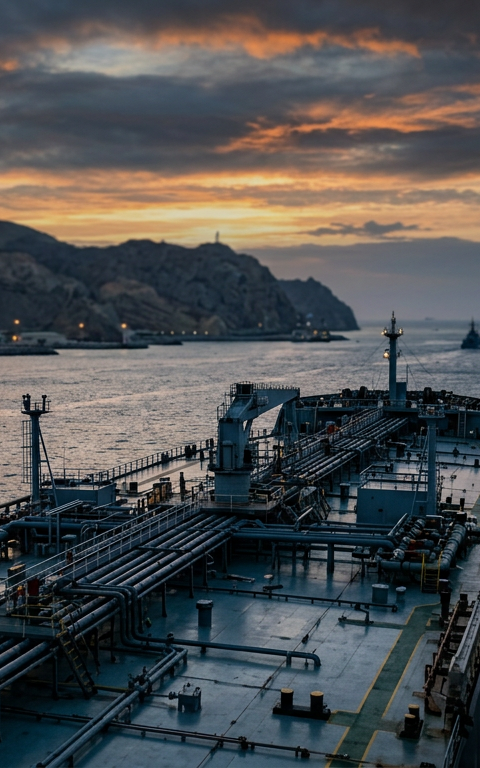
Just when the oil market was getting comfortable with the idea that the Strait of Hormuz was reopening, Iran reminded everyone who's still directing traffic.
Iran's joint military command warned on Thursday that all oil tankers transiting the Strait of Hormuz must follow routes approved by Tehran or face an "immediate and forceful response." The warning, carried by Iranian state television, also cautioned that any U.S. interference in the waterway would prompt a "rapid and decisive reaction."
The warning came a day after U.S. and Iranian negotiators met in Qatar for another round of talks aimed at turning last month's interim agreement into a broader peace deal. Those discussions reportedly made progress, but the next round is expected only after funeral ceremonies for Supreme Leader Ayatollah Ali Khamenei conclude next week.
The latest threat also throws cold water on the increasingly popular narrative that Hormuz is returning to business as usual.
Yes, tanker traffic has recovered from the near standstill seen during the height of the conflict. But it's still running well below pre-war levels. According to AP, 258 vessels transited the strait last week, up from 138 the previous week, while traffic this week has settled into roughly 30 to 60 crossings per day—still nowhere near the roughly 130 daily transits seen before the war.
More importantly, Iran isn't backing away from its insistence that it controls navigation through the world's most important oil chokepoint.
The interim agreement allows ships to pass toll-free for 60 days, but Tehran continues to argue that it has the authority to dictate routes now and charge transit fees once the temporary arrangement expires. Washin