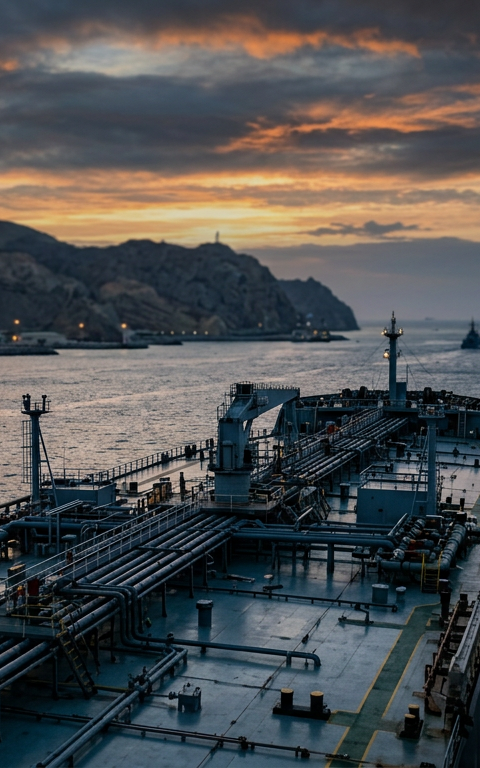

Recent data from the United States reveals a concerning depletion of crude oil reserves, nearing critical thresholds. Experts are now warning of potential petrol shortages across the US by July 4th if the current diplomatic impasse with Iran continues to deteriorate. This precarious situation in the world's largest consumer market is a key factor in the unfolding oil price narrative.
Despite the escalating geopolitical risks, crude oil prices have notably trended downwards, retreating towards their pre-conflict levels. This unusual market behaviour suggests that the underlying economic conditions may be signalling an impending recession rather than the widely anticipated inflationary pressures on energy costs. A global economic downturn would inevitably dampen demand for oil, exerting downward pressure on prices regardless of supply disruptions.
While many financial analysts and energy pundits have been loudly predicting massive oil price surges in response to the Iranian situation, this perspective offers a compelling counter-argument. The historical precedent of oil prices returning to pandemic-era lows, rather than soaring during periods of instability, is gaining traction among a segment of market watchers.
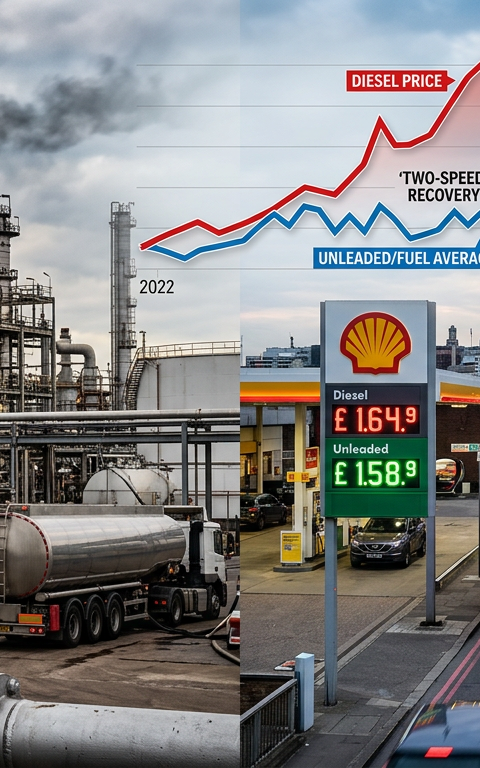
The long-term implications of such a scenario for the UK economy are significant. Lower crude oil prices could translate to cheaper petrol and diesel at the pumps, offering some relief to British households battling the cost of living crisis. However, it could also impact the profitability of North Sea oil operations and the broader energy sector.
Investors and policymakers are therefore advised to consider the broader economic indicators alongside geopolitical developments. The interplay between supply chain vulnerabilities, global economic health, and consumer demand will ultimately dictate the trajectory of crude oil prices in the coming months. The possibility of oil prices falling to levels not seen since the pandemic era warrants careful monitoring and strategic planning across industries.