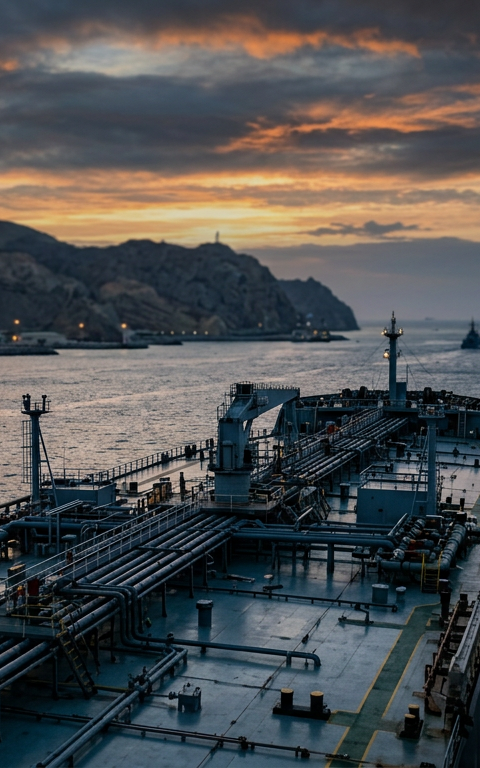

The recent disruption in the Strait of Hormuz severely curtailed traditional supplies from the Gulf region, exposing the vulnerabilities of India's relatively limited strategic oil reserves. This scenario compelled India to turn to alternative sources, with Russian crude filling the unexpected void.
Historically, India has diversified its energy imports to ensure security and competitive pricing. However, the Hormuz incident underscored the importance of securing reliable supply lines during periods of global instability. Russia, eager to find new markets amidst Western sanctions, was well-positioned to meet India's urgent demands.
The influx of Russian oil has not only met immediate energy needs but has also recalibrated India's long-term energy strategy. While Middle Eastern suppliers are expected to re-enter the market with discounted offerings, the recent crisis has cemented Russia's position as a crucial strategic partner for India's energy security.
Analysts at TradeRadarNews suggest that this shift could lead to a re-evaluation of India’s import portfolio. As Gulf supplies stabilise and potentially offer more attractive terms, Russia may face increased competition. Nevertheless, the recent events have undeniably fortified Russia’s role as a vital “insurance policy” against future supply chain disruptions for India.
This development has significant implications for global energy markets, demonstrating how geopolitical events can swiftly alter established trade routes and strategic alliances. India's pragmatic approach to securing its energy future highlights the dynamic nature of international oil trade and the continuous need for robust supply diversification strategies.