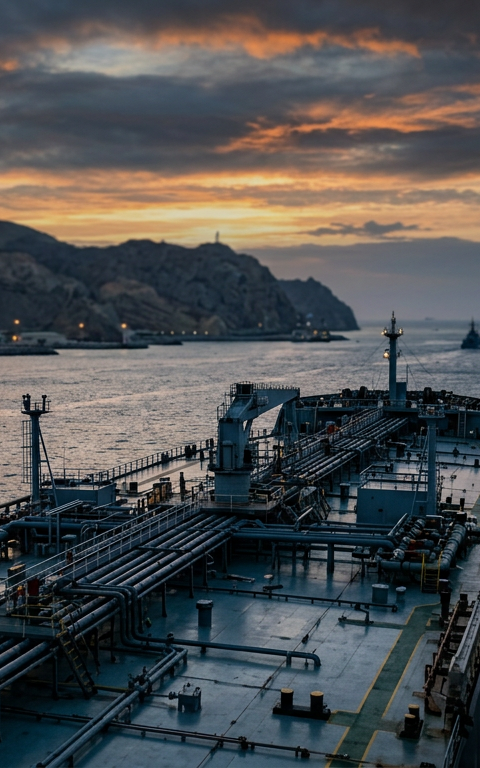
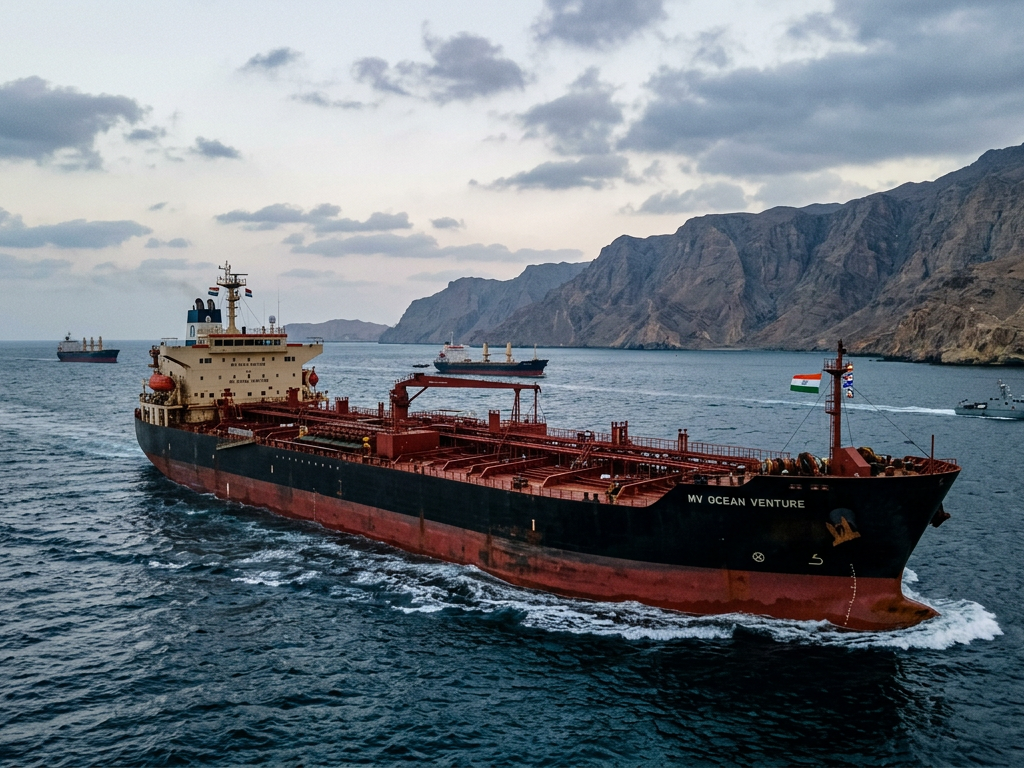
Mangalore Refinery and Petrochemicals Limited (MRPL), a prominent state-owned entity operating a substantial 300,000-barrels-per-day refinery in southern India, has reportedly chartered a tanker to facilitate the loading of Iraqi crude. This development, confirmed by shipping industry sources to Reuters on Tuesday, marks a significant step, making MRPL the first Indian state refiner to undertake such a charter since the recent disruptions.
India, holding its position as the world’s third-largest crude oil importer, relies heavily on stable and diversified energy sources. The decision to resume Iraqi oil imports underscores the nation's pressing need to secure its energy supply chain and cater to the ever-growing domestic demand. This is particularly pertinent given global geopolitical shifts and the ongoing complexities within the international oil market.
The Strait of Hormuz, a narrow sea passage connecting the Persian Gulf with the Arabian Sea and the Gulf of Oman, is a critical artery for much of the world's oil trade. Its strategic importance means that any disruptions, or even the heightened perception of risk, can significantly impact global oil prices and supply routes. India's return to this route, therefore, highlights an assessment that the benefits of securing Iraqi crude outweigh the associated transit challenges.
While the article does not detail the specific measures being taken to mitigate shipping risks, it implies a level of confidence in the current security situation within the Strait. This could involve increased naval presence, enhanced intelligence sharing, or commercial agreements designed to safeguard vessels and cargo. The choice to resume these imports suggests that India's energy strategists are balancing cost-effectiveness and supply security, with Iraqi crude likely offering competitive pricing or advantageous contractual terms.
This move by MRPL could set a precedent for other Indian state refiners, potentially leading to a broader resumption of Iraqi oil imports across the country. Such a trend would bolster Iraq's position as a key oil exporter and further solidify economic ties between the two nations.
The global energy landscape remains dynamic, with countries constantly adapting their supply strategies to geopolitical realities and market fundamentals. India's decision to re-engage with Iraqi crude via the Strait of Hormuz is a clear indicator of its proactive approach to ensuring energy security and maintaining economic stability.