According to a report by Business Standard, New Delhi is considering the implementation of new levies on both liquefied petroleum gas (LPG) and natural gas consumption. These levies are projected to generate around £1.2 billion ($1.5 billion) annually, specifically earmarked for the development of crucial new storage infrastructure across the nation.
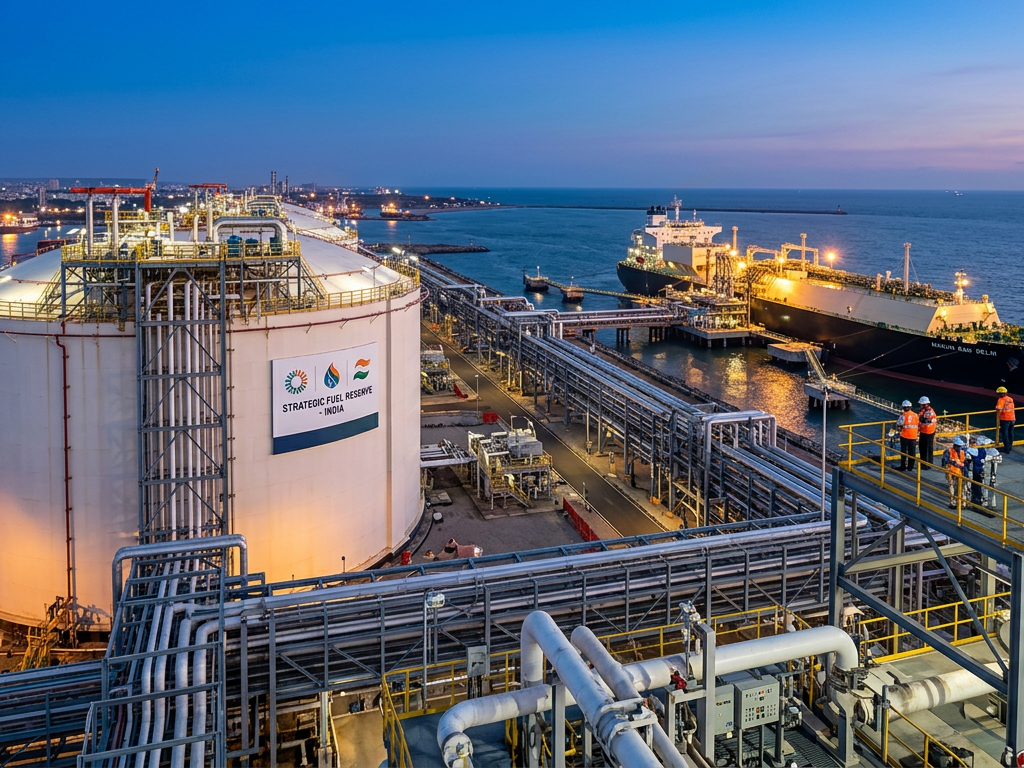
The initiative highlights India's proactive approach to bolstering its energy security and reducing its reliance on volatile global oil markets. By building substantial strategic fuel reserves, the government aims to mitigate the impact of supply disruptions and price fluctuations on its economy and citizens.
Key details of the proposal indicate a levy of 1.29 rupees, equivalent to roughly £0.011 (or $0.0136), per unit of gas consumed. While the full scope of the levy's application and its precise impact on consumer prices are still under discussion, the move signals a strategic shift towards internal funding for critical national infrastructure.
This funding model presents a notable departure from traditional financing avenues for such large-scale projects, suggesting a commitment to self-sufficiency in securing essential energy resources. The government's consideration of this gas levy underscores the immense scale and strategic importance of the £33 billion fuel reserve programme.
The decision to potentially tax gas consumption to finance oil reserves also reflects the interconnectedness of India's energy sector and the government's holistic approach to resource management. The levies would contribute directly to building a robust energy buffer, safeguarding India's economic stability and national interests in the long term.
This development will be closely watched by international energy markets and domestic consumers alike, as it could set a precedent for financing large-scale strategic initiatives through consumer contributions. The proposed funding mechanism is a critical component of India's broader energy security agenda, aiming to protect the nation from future energy shocks and ensure a stable supply of vital fuels.