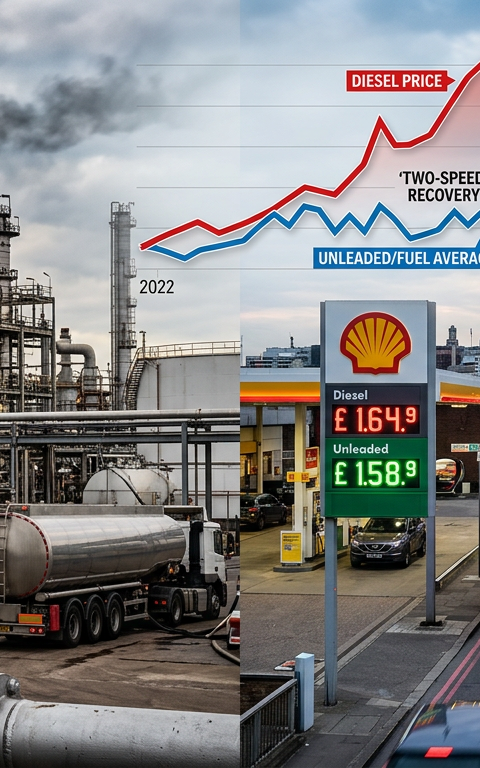

The global oil market, particularly prices hovering near the £55 mark, is a key factor. Such stability is anticipated to alleviate geopolitical tensions, especially within the volatile Middle East region. A reduction in these tensions typically translates to more reliable and efficient shipping routes, a critical aspect for a major oil importer like India.
Increased tanker traffic through strategic choke points like the Strait of Hormuz is a direct indicator of this improved stability. Enhanced maritime security and reduced transit risks would subsequently lower transportation costs for crude oil, benefiting India’s import bill significantly. This ripple effect is vital for domestic economic stability.
Lower and stable oil prices directly impact India's inflation figures. As a net importer of crude, the cost of oil is a significant determinant of consumer prices and industrial input costs. A favourable oil price environment would exert downward pressure on inflation, allowing the RBI greater flexibility in its monetary policy decisions and potentially reducing the need for aggressive interest rate hikes.
An improved inflation outlook is instrumental in fostering a more predictable and conducive environment for business investment and consumer spending. Both are essential engines for sustained economic growth. When inflation is contained, real incomes are protected, leading to stronger consumer confidence and expenditure.
Furthermore, reduced import costs for oil would strengthen India's current account balance. A healthier current account helps in stabilising the Indian Rupee, making imports cheaper and exports more competitive in the international market. This financial resilience is paramount for long-term economic prosperity.
The Reserve Bank of India’s emphasis on oil prices highlights the intricate link between global commodity markets and domestic economic performance. Stable energy costs are not just about headline inflation; they underpin the stability of the entire economic framework, from manufacturing output to the cost of living for millions of Indian citizens.
Maintaining oil prices at or near £55 per barrel would therefore act as a powerful catalyst, enabling India to recapture a robust growth momentum of 7% or higher. This forecast from a senior RBI official suggests that while global factors remain influential, a supportive external environment, particularly concerning oil, is key to unlocking India’s full economic potential in the coming years.