
Late Thursday, September WTI crude oil futures were trading at £67.50 ($84.12), marking a substantial weekly decline of £5.10 ($6.35), or 7.02%. While Friday's trading session had yet to conclude, the week's dominant narrative was already clear: a rapid sell-off in crude futures, followed by a partial recovery of the risk premium.
The week began with a glimmer of hope for de-escalation. Washington's temporary cessation of strikes and Oman's proposal for regional management of Hormuz initially buoyed markets. Traders speculated that a diplomatic resolution, acceptable to both Tehran and Gulf states, could transform the current supply disruption into a transient shock rather than a persistent constraint. This optimism led to significant downward pressure on WTI prices, reflecting a belief that a stable passage through Hormuz could soon be re-established.
However, this diplomatic optimism proved short-lived. Iran swiftly rejected the Omani plan, escalating tensions by launching missiles at US forces. In response, a coalition of the United States and Saudi Arabia struck Iran-backed groups in Iraq, with US Central Command later targeting Revolutionary Guard objectives inside Iran early on Thursday.
This rapid reversal underscored the fragile nature of market sentiment. The initial price declines, it became clear, were predicated on diplomatic aspirations rather than a concrete restoration of crude oil flows. Consequently, the risk premium associated with the Hormuz situation returned, though it has not fully recouped the losses incurred earlier in the week. This explains why WTI crude remains significantly lower week-to-date, even as military engagements once again dominate the headlines.
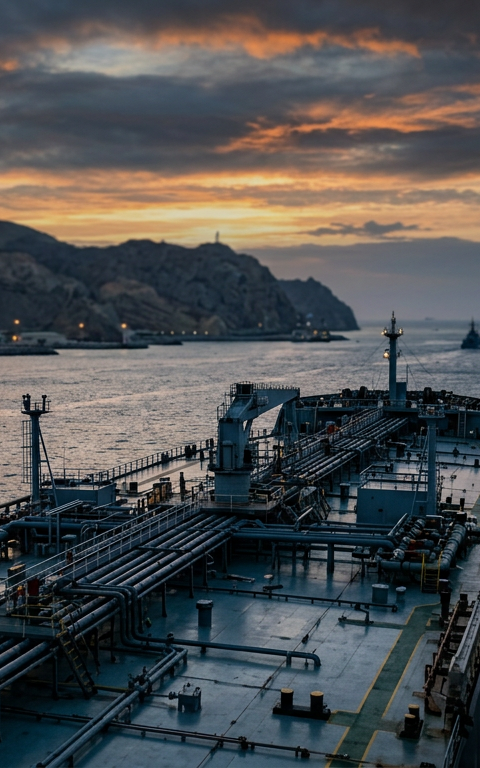
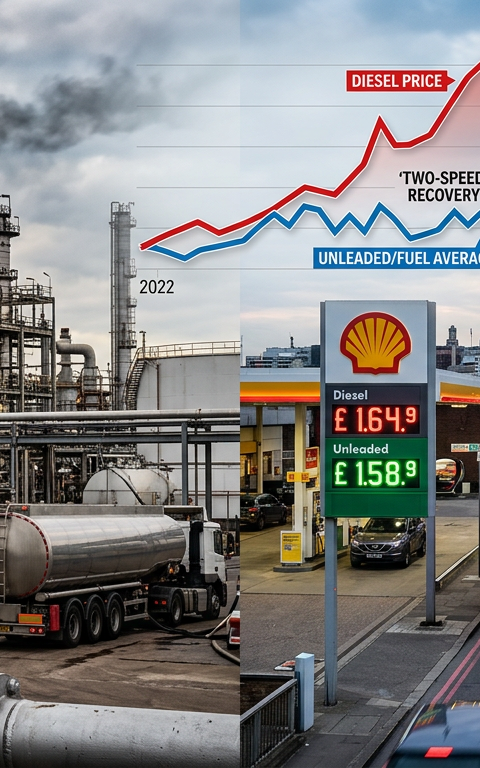
The Strait of Hormuz remains unequivocally central to the global oil supply narrative, directly influencing the cost of oil for UK petrol stations and industries. Any disruption or perceived threat to the passage of oil tankers through this strait has immediate and profound effects on energy prices worldwide. As such, all eyes in the UK financial sector remain firmly fixed on developments in this volatile region, closely monitoring how events unfold and their potential impact on the UK economy.
Notably, one Qatari LNG tanker, the Al Areesh, successfully navigated through Hormuz, offering a minor reassuring note amidst the broader instability. However, isolated successes do not negate the overarching vulnerability of the global energy supply chain to the ongoing geopolitical flux in the Middle East. UK investors and consumers alike should prepare for continued volatility in oil prices as long as the Hormuz situation remains unresolved.