US Central Command (CENTCOM) forces initiated strikes against multiple targets within Iran on Friday and Saturday. These actions were a direct response to earlier attacks on two vessels operating near the Strait of Hormuz, a vital artery for international oil shipments. The escalating situation underscores the fragile geopolitical landscape of the region.
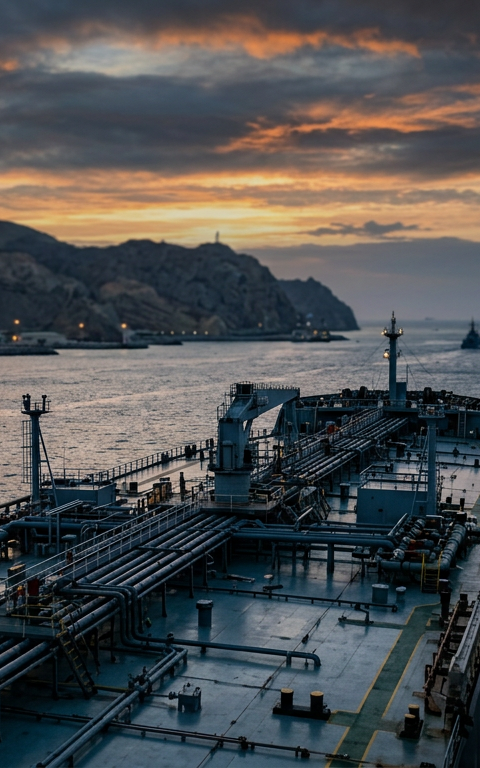
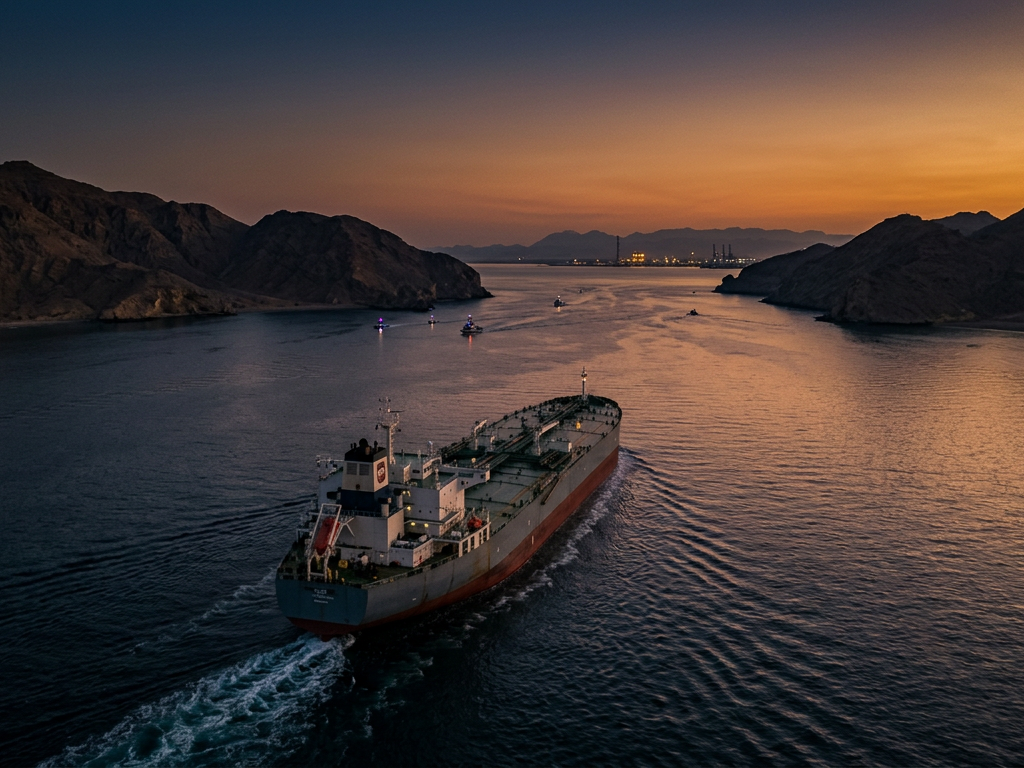
A key incident contributing to this cautious approach was Thursday's attack on the container ship *Ever Lovely*. This event prompted several shipowners to withdraw vessels and await further clarity regarding the safety of transiting the Strait. The Strait of Hormuz is a narrow passage connecting the Persian Gulf with the Arabian Sea, through which a substantial portion of the world's oil supply passes.
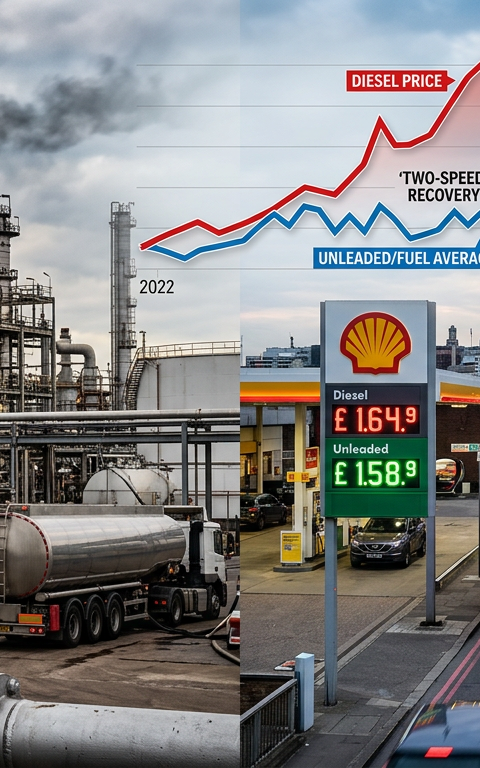
The disruptions in tanker movements could have significant implications for global energy markets. Any prolonged slowdown or perceived risk in the Strait of Hormuz typically leads to increased oil prices due to supply concerns. Traders and analysts are closely monitoring the situation for any signs of de-escalation or further complications.
Operators are now reassessing their navigational strategies and exploring alternative routes, though options for bypassing the Strait of Hormuz are limited and often less efficient. The immediate economic impact includes potential delays in oil deliveries and increased insurance premiums for vessels operating in the region, ultimately affecting consumer costs.
This latest flare-up highlights the ongoing geopolitical risks associated with maritime trade in the Middle East. The international community is urging restraint from both sides to ensure the continued free flow of commerce through this indispensable waterway. The long-term stability of oil prices and global supply chains hinges on a swift and peaceful resolution to the current tensions.