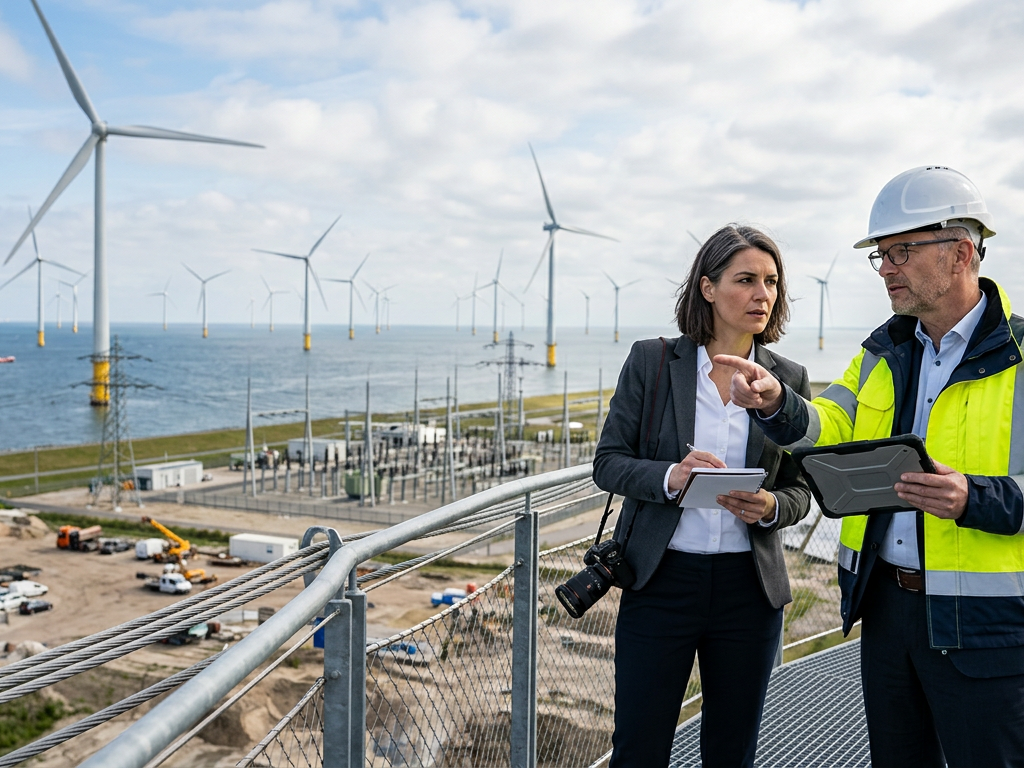
Europe's largest economy is actively pursuing ambitious targets to expand its solar and wind power generation capabilities. A key component of this strategy involves legislative reforms aimed at simplifying and streamlining the permitting processes for new renewable energy projects. These measures are crucial for accelerating the deployment of clean energy infrastructure and overcoming administrative hurdles that have historically slowed development.
Germany's commitment to renewable energy is further evidenced by its aggressive installation goals. The country aims to add 10 gigawatts (GW) of wind power capacity annually, a substantial undertaking designed to bolster its clean energy portfolio. This concerted effort is part of a broader national objective to ensure that renewable sources account for 80% of its total electricity consumption.
The consistent growth in renewable energy's share of the power mix highlights Germany's role as a leader in the global energy transition. This shift away from fossil fuels not only contributes to climate change mitigation but also enhances energy security and stability by reducing reliance on imported energy sources. The expansion of wind and solar farms creates new jobs and fosters innovation within the domestic energy sector.
While the progress is considerable, achieving the 80% renewables target will require sustained investment and continued policy support. Challenges such as grid integration, energy storage solutions, and balancing supply and demand will need to be addressed comprehensively. However, the current trajectory indicates strong momentum and a clear commitment from the German government and industry to decarbonise its power sector.
The strong performance in renewable energy reinforces Germany's position on the international stage as a prime example of successful energy policy reform. The insights provided by ZSW and BDEW offer valuable data for policymakers, investors, and environmental advocates tracking the global shift towards sustainable energy systems.