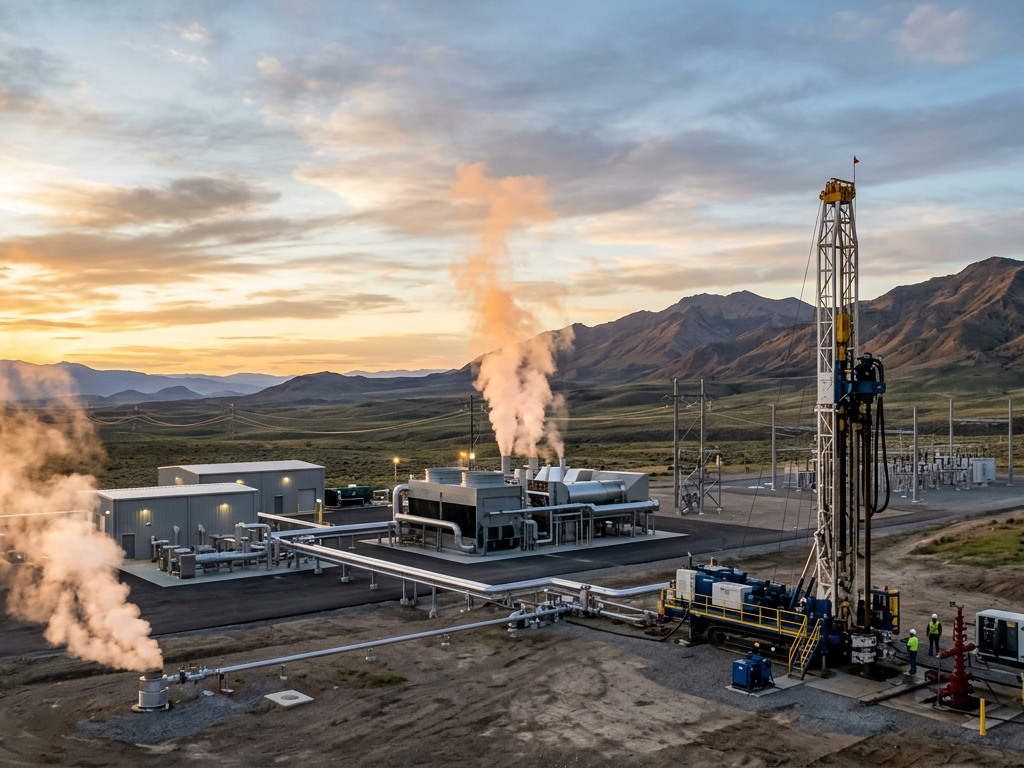
The breakthrough comes from adapting sophisticated drilling techniques, many originally developed for the fracking industry, to geothermal applications. This transfer of technology is significantly broadening the geographical scope for geothermal development, moving beyond traditionally geologically active regions. Previously, geothermal energy was largely confined to areas with naturally occurring high heat flow, but these new methods are opening up opportunities almost anywhere on Earth.
Start-up companies, such as Birch Geothermal, are at the forefront of this revolution. They are leveraging extensive knowledge in oil and gas reservoir management to optimise the performance of geothermal wells. This expertise is crucial for ensuring a consistent and reliable supply of power, a key advantage of geothermal energy which can operate 24/7, unlike intermittent renewable sources like solar and wind.
The DOE's specific projection anticipates that enhanced geothermal systems (EGS) will contribute 90 gigawatts of carbon-free electricity by mid-century. This substantial capacity is expected to fulfil the energy demands of at least 65 million American households, playing a vital role in decarbonising the nation’s power grid and reducing reliance on fossil fuels.
Geothermal energy offers numerous benefits beyond its carbon-free nature. It provides a stable base-load power source, meaning it can generate electricity continuously regardless of weather conditions or time of day. This inherent reliability makes it an attractive option for grid stability and energy security. Furthermore, geothermal power plants typically have a small land footprint compared to other large-scale renewable projects.
The UK financial sector is keenly observing these developments, recognising the potential for significant investment and technological advancements. As global economies strive to meet carbon reduction targets, scalable and reliable clean energy solutions like advanced geothermal are becoming increasingly attractive. The ability to harness the Earth's internal heat on a much broader scale presents a compelling case for both environmental sustainability and long-term energy independence.
While the initial investment for geothermal projects can be substantial, the long operational lifespan of these facilities and their low running costs make them economically viable in the long term. Continued innovation in drilling, resource identification, and power plant efficiency will further drive down costs and accelerate adoption. The advancements highlighted by the DOE and companies like Birch Geothermal signal a robust future for this often-overlooked renewable energy source, promising a significant shift in how electricity is generated and consumed across the United States. This expansion could also pave the way for similar developments in other countries, including the UK, as engineers and policymakers look for diverse ways to achieve net-zero targets.