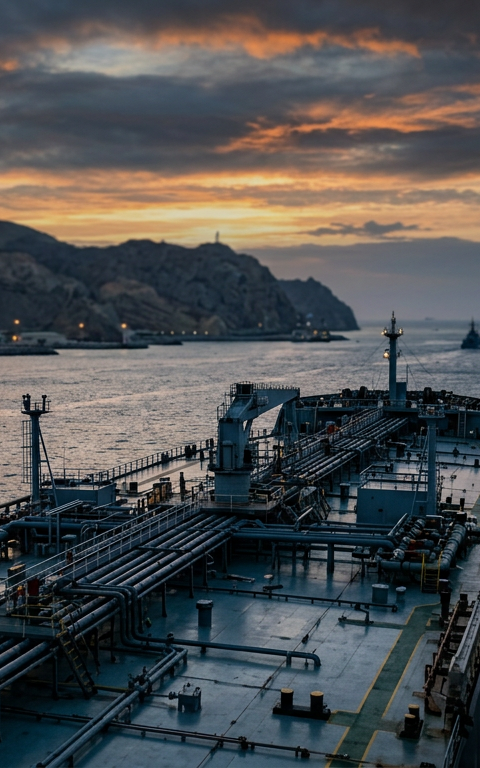
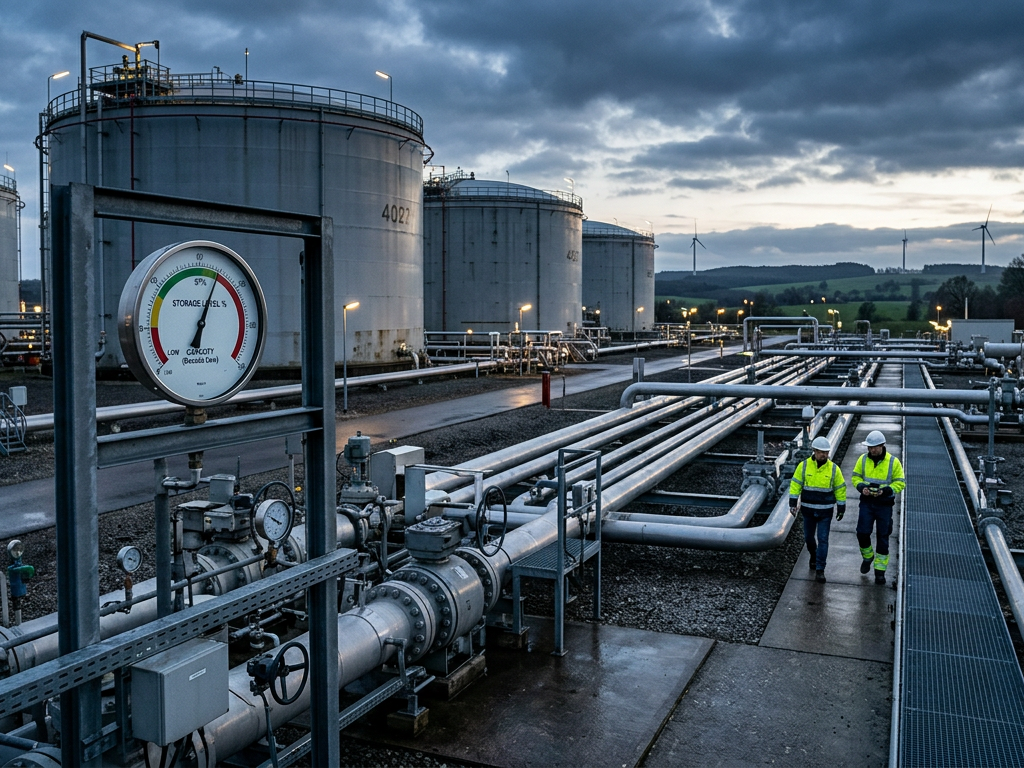
The usual post-winter replenishment of gas reserves has been notably slower this summer compared to previous years. This sluggish recovery is largely attributed to a severely tightened global Liquefied Natural Gas (LNG) market. The ongoing crisis in the Middle East has exacerbated these market conditions, making it more difficult and expensive for European nations to secure additional LNG supplies.
The implications of these low storage levels are far-reaching. Businesses and households across the UK and the wider European Union could face higher energy bills. Governments may also be pressured to implement energy conservation measures or seek alternative, potentially more costly, energy sources to meet demand during peak winter periods. The current situation highlights Europe's vulnerability to global energy market fluctuations and geopolitical events.
Energy analysts are closely monitoring the situation, with many predicting that gas prices will continue their upward trend unless significant new supplies become available or demand substantially decreases. The continent's reliance on imported gas, coupled with reduced pipeline flows from traditional sources, places it in a precarious position. The urgency to diversify energy sources and invest in renewable energy technologies has never been greater.
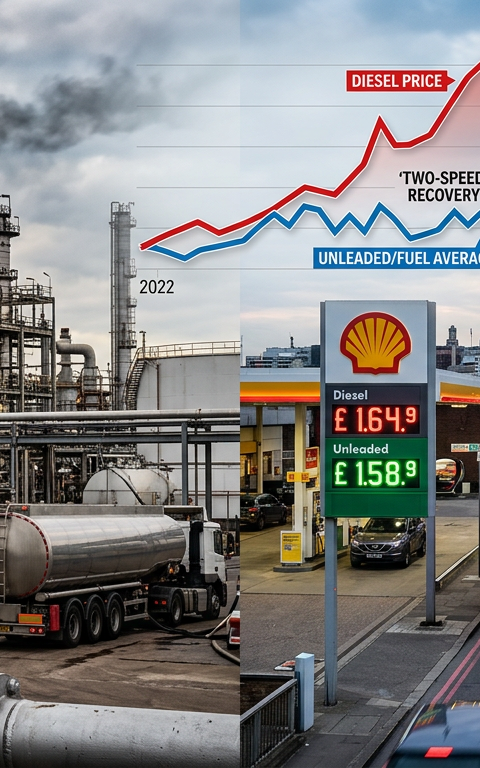
For UK consumers, this means a potential squeeze on household budgets already strained by inflation. Industries reliant on gas, such as manufacturing and chemicals, could see their operating costs increase, potentially impacting production and employment. The interconnectedness of European energy markets means that even countries with relatively robust national storage can be affected by the overall continental deficit.
As the 2025/2026 winter looms, the focus will be on emergency measures and diplomatic efforts to secure energy supplies. The long-term solution, however, lies in accelerating the transition to a more sustainable and independent energy landscape, reducing the continent's susceptibility to such critical shortages in the future. Investment in infrastructure for renewable energy, energy efficiency programmes, and domestic gas production where feasible, will be crucial in mitigating future risks.