
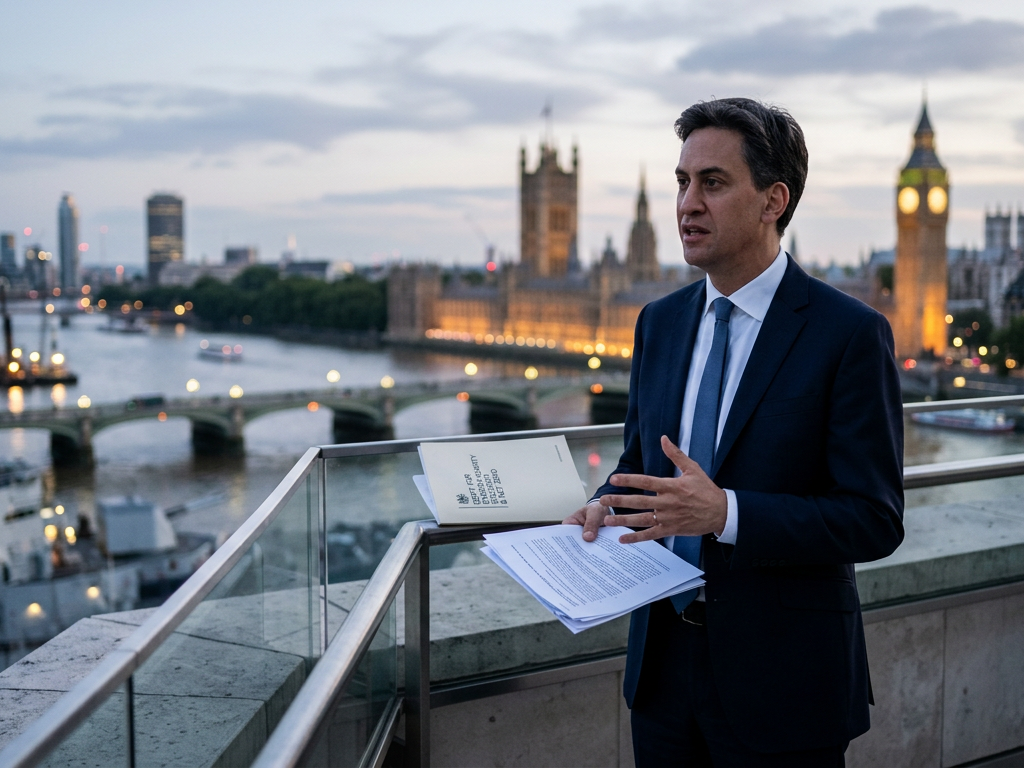
The veto underscores a significant divergence within the UK government regarding energy policy and national funding priorities. With the UK committed to enhancing its military capabilities, the search for robust funding mechanisms is paramount. The Treasury's strategy was seemingly a pragmatic approach to utilise existing natural resources to meet these pressing financial demands.
However, Miliband's decision highlights the ongoing tension between national security funding and environmental commitments. Expanding fossil fuel extraction in the North Sea would inevitably face scrutiny from environmental groups and those advocating for a swift transition to renewable energy sources. This move by the Energy Secretary signals a potential prioritisation of climate goals over a short-term, carbon-intensive funding solution.
The implications of this veto are far-reaching. The Ministry of Defence will now need to explore alternative financing avenues for its substantial rearmament programmes. This could involve further tax increases, reallocations from other departmental budgets, or exploring novel financial instruments. The decision also sends a strong message about the UK's commitment to its net-zero targets, even when faced with significant national spending requirements.
Experts suggest that this internal government disagreement could lead to broader debates on the UK's energy future and its defence funding model. As the country navigates a complex international landscape, balancing economic stability, energy security, and environmental responsibilities remains a critical challenge for policymakers.