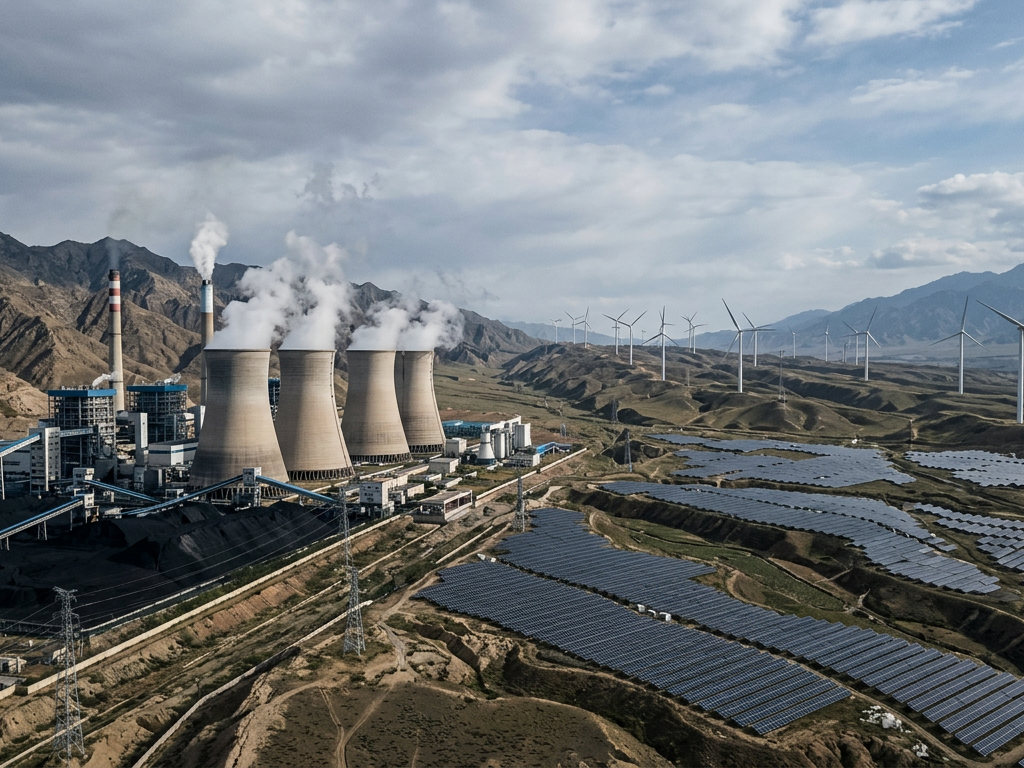
This decision comes as the country aims to significantly increase the proportion of renewable energy in its electricity supply by 2031. However, the concurrent strengthening of coal's role highlights a pragmatic stance on energy security, particularly in the face of growing demand and the intermittent nature of some green energy sources.
The new national energy plan, unveiled by Beijing, outlines a strategic pathway where clean energy is set to contribute 30% of its total power generation. This is a substantial goal, reflecting China's commitment to tackling climate change and transitioning towards a more sustainable energy mix. Yet, the continued reliance on coal underscores the immediate challenges and economic realities that influence such large-scale energy transitions.
Experts suggest that this dual approach is designed to ensure stability and reliability within the national grid while actively pursuing decarbonisation efforts. By maintaining a robust coal foundation, China seeks to mitigate potential risks associated with the rapid integration of renewables, such as grid instability or supply shortages.
The policy indicates a nuanced understanding of the energy landscape, where a complete and immediate divestment from fossil fuels is deemed impractical without compromising economic growth and residential energy needs. The emphasis on coal as a 'guarantee' suggests a long-term strategy to manage the transition incrementally, rather than risking energy security.
This development holds significant implications for global energy markets and environmental initiatives. As the world's largest energy consumer, China's energy policies have far-reaching effects on commodity prices, technological advancements in renewable energy, and international climate agreements. While the commitment to green energy is clear, the sustained role of coal will undoubtedly attract scrutiny from environmental advocates and international bodies.
For UK investors and energy sector analysts, monitoring China's energy trajectory is crucial. The balancing act between traditional and renewable sources offers insights into the complexities of global energy transition and the challenges faced by industrialised nations in meeting both energy demand and environmental objectives. The ongoing debate around China's coal usage will remain a key topic in financial news and energy discussions.
Ultimately, China's calibrated approach to energy planning reflects a determination to secure its energy future while progressively moving towards cleaner sources. The strategic importance of coal, even as green energy expands, illustrates the intricate realities of a nation navigating a large-scale energy transformation.