Over the past five years, CATL has demonstrated a remarkable shift in its revenue streams. Sales from energy storage have skyrocketed from a mere 2% to an impressive 25% of the company's total revenue. This trajectory is set to continue, with CATL targeting a substantial 50% of its revenue to be derived from energy storage by the close of 2030. This accelerated transition underscores the firm's commitment to diversifying its portfolio and capitalising on the burgeoning energy storage market.
The broader geopolitical landscape surrounding battery technology reveals China's dominant position. In 2025, China's additions to battery storage capacity surpassed those of the United States and the European Union combined. This significant lead has sparked renewed concerns within the US regarding its increasing reliance on Chinese battery technology, particularly given CATL's reported connections to the Chinese military.
The volatility of the global lithium market has undoubtedly played a pivotal role in CATL's strategic decision to invest heavily in sodium-ion technology. As a more abundant and potentially cost-effective alternative to lithium, sodium offers a viable pathway to greater energy security and market stability for battery manufacturers. This innovation could mark a significant turning point in the race for next-generation energy storage solutions.
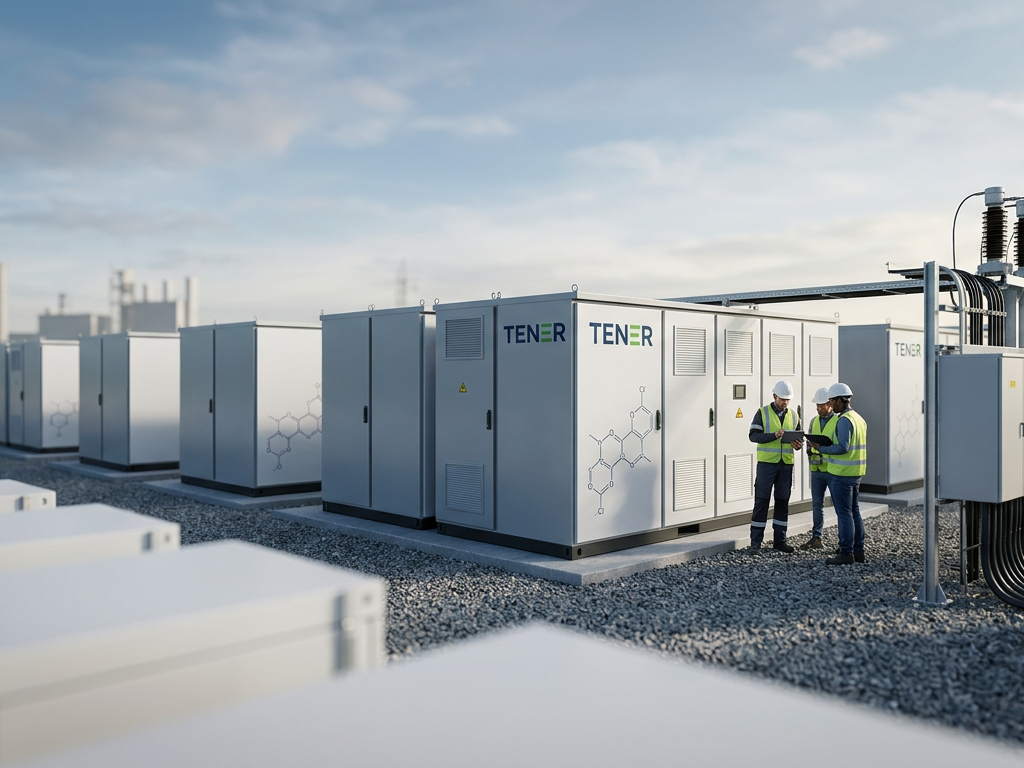
Industry analysts are closely monitoring CATL's progress with the TENER system. Should sodium-ion technology prove to be a scalable and efficient alternative, it could disrupt existing supply chains and usher in a new era for battery manufacturing. The UK market, in particular, will be keen to observe how this development impacts global energy storage infrastructure and potential new investment opportunities.