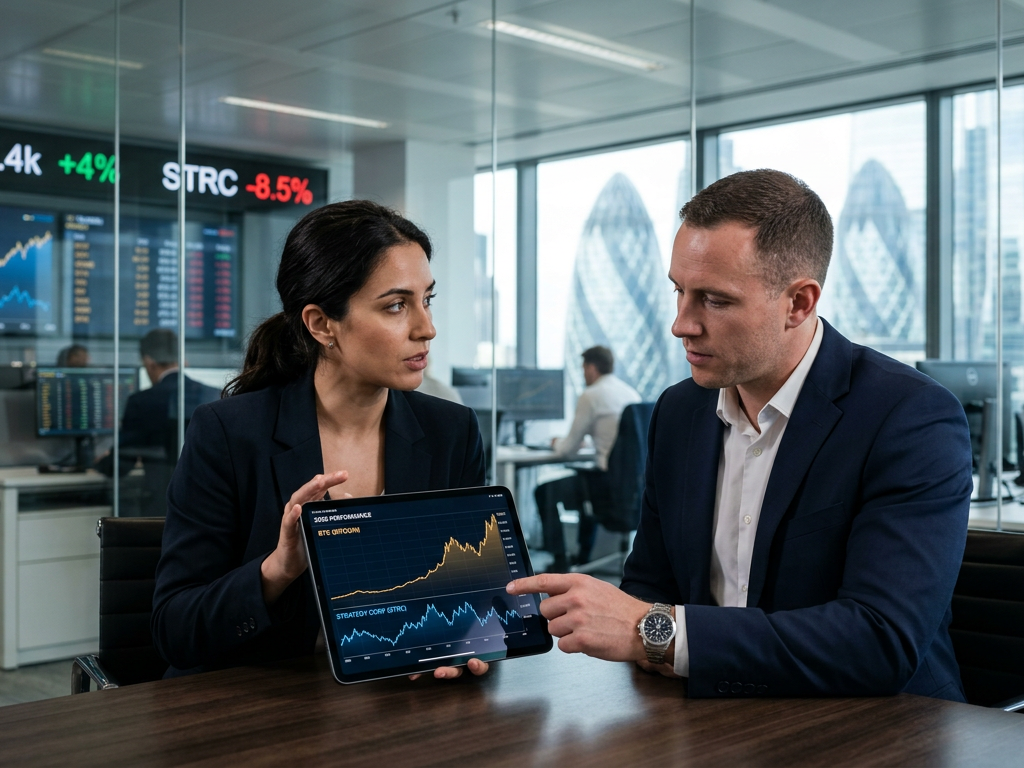
This trend highlights a shift in investor preferences, moving away from narrative-driven assets towards those more closely tied to tangible economic activity and geopolitical developments. As June draws to a close, Bitcoin is down 32%, while Ether has plummeted 47%, and Strategy's shares have dropped 43%. This widespread decline has pushed the total crypto market capitalisation down by approximately 30% to nearly $2 trillion – a level not witnessed since before President Donald Trump's election victory in November 2024.
While most major cryptocurrencies have struggled, a select few have defied the trend. HYPE, for instance, has surged by over 140%. This impressive performance is attributed to heightened volatility and the strong showing of Traditional Finance (TradFi)-linked assets available on its parent decentralised exchange, Hyperliquid.
In stark contrast to the crypto market, traditional assets have demonstrated robust growth. The Nasdaq 100 has climbed 16%, the S&P 500 has risen by 7.4%, and the U.S. Dollar Index has seen a 3% uptick. Dollar-linked crypto assets, such as stablecoins, have also proven more resilient than Bitcoin. USDT's supply has largely remained steady around $186 billion, with its dominance rate increasing by 43% to 9.17%.
The commodities market has also seen varied fortunes. WTI crude oil futures have jumped 20%, and the Bloomberg Commodity Index futures have advanced 13%. However, precious metals, often considered safe havens, have suffered significant losses, mirroring the crypto downturn. Gold has fallen by over 6%, silver by 18%, and palladium by 24%.
These figures clearly indicate that narrative-driven assets, like Bitcoin and precious metals – historically viewed as stores of value with limited connections to the mainstream economy and geopolitics – have lost favour in the first half of 2026. Conversely, crypto projects with stronger ties to TradFi assets could emerge as new havens for digital asset traders, signalling a potential shift in investment strategies within the evolving financial landscape.