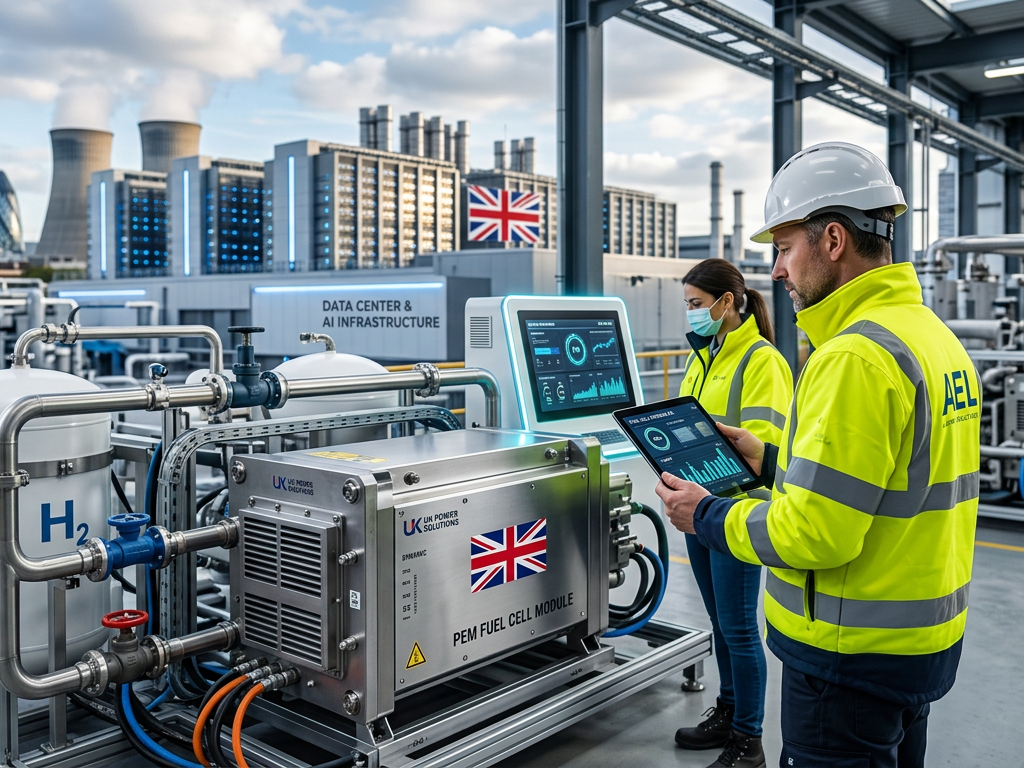
According to a recent report by Rystad Energy, this shift is creating a substantial new market for fuel cell technology. Many AI data centres are now circumventing congested national electricity grids by integrating their own power generation systems, with fuel cells emerging as a preferred choice due to their reliability and efficiency. This strategic move ensures an uninterrupted power supply, which is critical for the continuous operation of high-performance AI computations.
Rystad Energy's projections paint a compelling picture of growth. They anticipate a dramatic increase in fuel cell revenues, soaring from an estimated $2.8 billion in 2025 to approximately $30 billion by 2030. This near tenfold expansion within just five years underscores the urgent demand driven by the AI industry's insatiable appetite for power.
Fuel cells offer several advantages for data centres. They can provide primary power, backup power, or even grid-supporting services, enhancing resilience and operational stability. Furthermore, depending on the fuel source (such as natural gas, hydrogen, or biomethane), they can offer a path towards lower carbon emissions compared to diesel generators, aligning with broader sustainability goals.
However, this rapid market expansion is not without its hurdles. The report highlights potential manufacturing capacity constraints as a key concern. The ability to produce fuel cells on the scale required to meet this burgeoning demand will be critical. Companies investing in manufacturing expansion now are likely to gain a significant competitive edge.
Another major challenge identified is the supply of critical minerals. Specifically, the report flags scandium as a particular concern. Scandium is a rare earth element often used in solid oxide fuel cells (SOFCs) to improve their efficiency and durability. Diversifying supply chains, exploring alternative materials, or increasing recycling efforts for such critical minerals will be vital to sustain market growth.
The UK fuel cell sector, along with global counterparts, is poised for significant development. Investment in research and development, particularly in advanced materials and scalable manufacturing processes, will be crucial. Policy support for renewable hydrogen production, which can fuel many types of fuel cells, will also play a pivotal role in accelerating adoption.
For investors and businesses, the AI power crisis presents a unique opportunity in the fuel cell industry. Companies involved in fuel cell manufacturing, critical mineral extraction and processing, and power infrastructure solutions for data centres could see substantial growth in the coming years. Navigating the identified constraints through innovation and strategic partnerships will be key to unlocking this massive market potential.