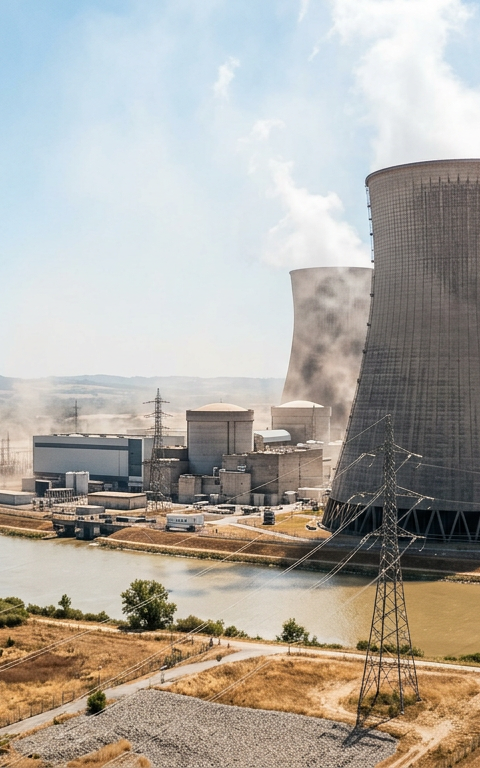
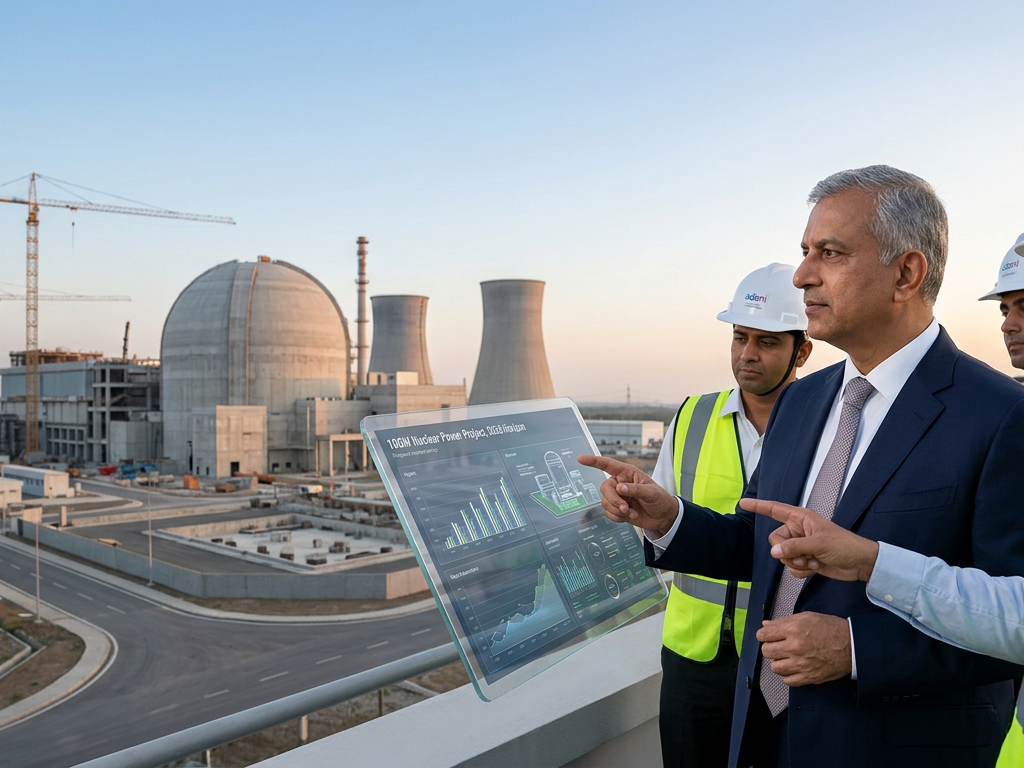
Gautam Adani, the billionaire founder of Adani Group, articulated this vision at the company's annual general meeting. He emphasised that Adani Atomic Energy’s foray into nuclear power represents “another confident step towards securing India's long-term energy future.” This bold commitment underscores Adani's belief in nuclear energy as a crucial component of India's evolving power landscape.
The group is not merely expressing aspirational targets; concrete progress has already been made. Mr Adani confirmed that suitable land has been identified for these nuclear power projects, laying a fundamental groundwork for their development. This methodical approach signals a serious intent to translate their ambitious 10 GW target into tangible operational capacity within the stipulated timeline.
India's energy demand is escalating rapidly, driven by economic expansion and a growing population. Meeting this demand sustainably is a critical national priority. Nuclear power offers a reliable, low-carbon electricity source, aligning perfectly with India’s climate objectives and its quest for energy independence. Adani Group's substantial investment in this sector is therefore a significant development for the nation's energy security.
The involvement of private players like Adani Group is expected to accelerate the development of nuclear infrastructure in India. Historically, the nuclear energy sector has been primarily state-controlled. The pivot towards private participation is anticipated to bring in efficiencies, advanced technologies, and substantial capital, thereby boosting project execution rates and overall capacity growth.
This development is also likely to foster competition within the energy sector, potentially leading to innovation and more cost-effective power generation. As Adani Atomic Energy expands its footprint, it will contribute to a diversified energy mix, reducing reliance on fossil fuels and enhancing the resilience of India's electricity grid.
From a financial perspective, this venture represents a colossal investment for Adani Group. The construction of nuclear power plants involves considerable upfront capital and long development cycles. However, the long-term returns from stable, predictable power generation can be highly attractive, cementing the group’s position in the critical infrastructure domain.
Industry experts will be closely monitoring Adani’s progress. Success in this ambitious undertaking could set a precedent for further private investment in India’s nuclear sector and potentially inspire similar models in other developing economies. The 2035 target is challenging but, if achieved, will firmly establish Adani Group as a pivotal player in India’s energy future.